4.8 Google Rating

Back to Blog
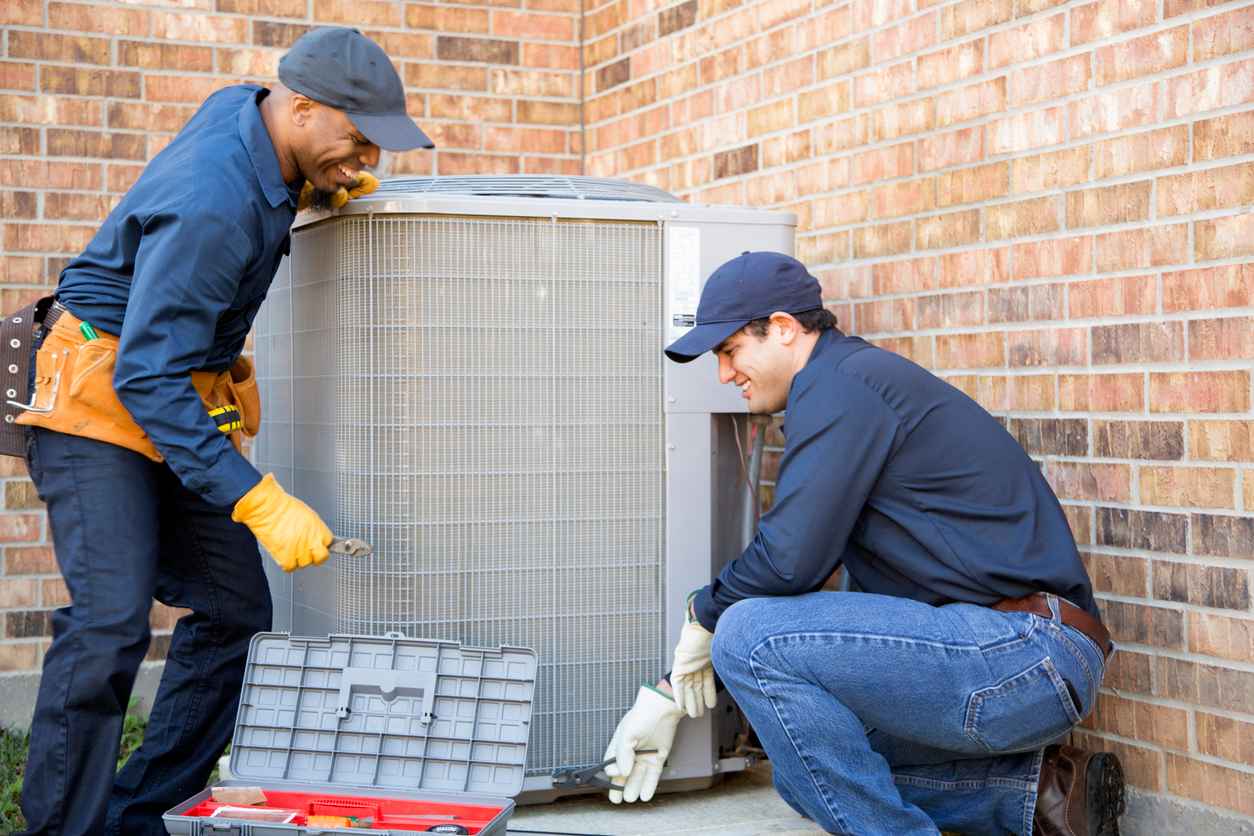
Why Is Replacing an AC So Expensive in Austin, TX?
If your air conditioner recently stopped working or your technician recommended replacing your system, you may have experienced a bit of sticker shock. Many Austin homeowners ask the same question: “Why does replacing an AC system cost so much?”
The truth is that an air conditioning system is one of the most complex and important systems in your home. In a climate like Austin, TX, where air conditioners run for much of the year, proper installation and high-quality equipment are critical for comfort, energy efficiency, and long-term reliability.
At McCullough Heating & Air Conditioning, we believe homeowners deserve transparent answers. Below, we break down exactly what goes into the cost of AC replacement in Austin and why investing in the right system matters.
The Real Cost of Replacing an AC in Austin
The cost of replacing an air conditioner in Austin typically ranges between $8,000 – $20,000+
Several factors determine where your home falls within that range, including:
- Size of your home
- System efficiency rating
- Ductwork condition
- Installation complexity
- Electrical upgrades
- Equipment quality
Because every home is different, HVAC systems must be properly designed and sized, not simply swapped out. This is why it’s difficult to give a precise price over the phone.
1. HVAC Equipment Is More Advanced Than Ever
Modern air conditioning systems are designed to deliver better efficiency, quieter operation, and improved comfort compared to systems installed 10–15 years ago. Today’s systems often include:
- Variable-speed compressors
- Smart thermostats
- Advanced humidity control
- Higher SEER efficiency ratings
These upgrades help homeowners reduce long-term energy costs, but they also increase the initial cost of the equipment.
The benefit is that higher efficiency systems often lower your monthly energy bills, which can offset the investment over time.
2. Proper Installation Is a Skilled Trade
Installing an HVAC system is far more involved than replacing an appliance. A proper installation requires trained technicians who understand:
- System sizing (Manual J load calculations)
- Airflow balancing
- Refrigerant charging
- Electrical configuration
- Duct design
A poorly installed system can lead to:
- Higher energy bills
- Uneven temperatures
- Shortened equipment life
- Frequent repairs
Professional installation ensures your system runs efficiently and reliably for years to come.
3. Austin’s Climate Requires Strong Cooling Systems
In many parts of the country, an AC system runs for only a few months each year, but in Austin, air conditioners often run eight to ten months out of the year, especially during extended summer heat. Because of this heavy workload, HVAC systems in Central Texas must be:
- Properly sized
- Highly efficient
- Built for durability
Choosing the right system helps prevent frequent breakdowns and ensures your home stays comfortable even during extreme temperatures.
4. Ductwork May Need Repairs or Upgrades
Your ductwork plays a major role in HVAC performance. If ducts are:
- Leaking
- Undersized
- Poorly designed
- Damaged
Your new AC system may struggle to distribute air evenly throughout the home. During many installations, technicians discover ductwork issues that should be addressed to maximize system performance. While this can add to the upfront cost, it often improves:
- Airflow
- Energy efficiency
- Indoor comfort
5. Refrigerant Regulations Have Increased Costs
Environmental regulations have changed the types of refrigerants used in air conditioning systems. Older systems used R-22 refrigerant, which has been phased out due to environmental concerns.
New systems use modern refrigerants that are more environmentally friendly but require updated equipment and system design, contributing to higher equipment costs. These changes are part of broader efforts to improve energy efficiency and environmental sustainability.
6. Your System Must Be Sized Specifically for Your Home
One of the most important steps in AC installation is determining the correct system size. Contrary to popular belief, bigger is not always better.
An oversized AC system can cause:
- Short cycling
- Humidity problems
- Higher energy bills
A professional HVAC company will perform calculations based on:
- Home size
- Insulation levels
- Window placement
- Sun exposure
- Ceiling height
This process ensures your system delivers consistent cooling and optimal efficiency.
7. Quality Equipment and Warranties Matter
The brand and type of equipment installed also influence price. High-quality HVAC systems often include:
- Longer warranties
- More durable components
- Advanced technology
While lower-cost systems exist, investing in reliable equipment can help prevent frequent repairs and premature replacement. Many homeowners find that choosing a dependable system provides better long-term value and peace of mind.
AC Replacement in Austin, TX
Because every home is different, the best way to understand the cost of replacing your air conditioner is through a professional evaluation.
At McCullough Heating & Air Conditioning, our team provides expert AC installation and replacement services designed specifically for the needs of Austin homeowners.
We help homeowners choose systems that deliver:
- Reliable cooling
- Energy efficiency
- Long-term performance
- Comfort throughout every room of the home
Schedule an AC Replacement Consultation
If your system is aging or struggling to keep up with Austin’s heat, it may be time to explore your options.
The HVAC experts at McCullough Heating & Air Conditioning can evaluate your current system and recommend the best solution for your home.
Schedule a consultation today and learn how a professionally installed HVAC system can improve your home’s comfort, efficiency, and reliability.
Recent News
Why Westlake Homeowners Are Investing in Ductless Mini Split Systems
Top HVAC Companies in Austin, TX: Looking Beyond Ads & Reviews
What Sun City Homeowners Should Know About HVAC Permit Data & Installations
Free Energy Audits for Westlake Homes: Cut Energy Bills, Boost Comfort & Upgrade Smarter
Is Your Austin Home Using Too Much Energy? Here’s How a Free Energy Audit Can Help You Save Big
Cold Snap Coming? What Austin Homeowners Should Do Now to Prevent Heat Loss and Heating System Failure