4.9 Google Rating

Back to Blog
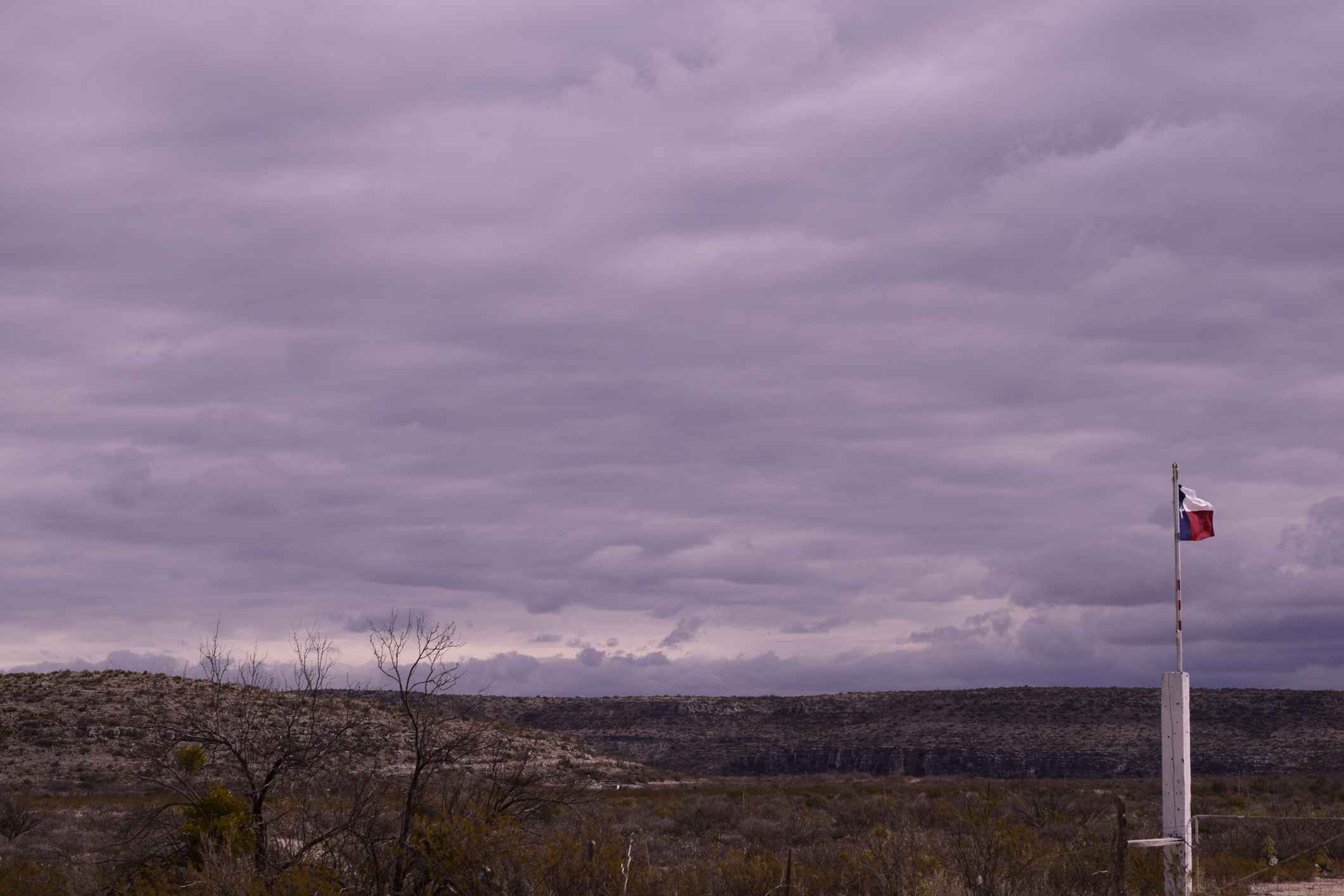
Prepping a Georgetown Home for a Texas Blue Norther
Georgetown, Texas, is known for its beautiful Town Square and its scorching summer heat, but long-time residents know that the winter months can bring a unique meteorological threat: the Blue Norther. This legendary cold front is a staple of Texas weather. It is characterized by a rapidly darkening sky and a temperature drop so fast it can leave your HVAC system in a state of shock.
For homeowners in Williamson County, a Blue Norther is more than just a reason to grab a coat. It is a major stress test for your home. These fronts can drop temperatures from a sunny 75 degrees to a freezing 30 degrees in under an hour. This sudden swing places an immense burden on your heating system, especially if it has spent the last nine months cooling your home.
At McCullough Heating & Air Conditioning, we have seen how these storms can cause sudden system failures and frozen pipes if the home is not properly prepared. Whether you live in a beautifully restored home near Southwestern University or a new build in Sun City, prepping for the next “Blue Line” on the radar is essential for your comfort and your wallet.
Understanding the Blue Norther Impact on HVAC
Most air conditioning systems in Central Texas are designed with cooling as the priority. When a Blue Norther arrives, your system is forced to perform a “cold start” under extreme conditions.
The Shift from Cooling to Heating
In Texas, it is common to run the AC in the morning and need the heater by dinner. This rapid transition is hard on your system’s components.
- Reversing Valve Stress: For heat pump users, the reversing valve must switch the flow of refrigerant. If this component is worn, the sudden demand during a cold front can cause it to stick.
- Dust and Burn-Off: If you haven’t turned your heater on yet, the smell of burning dust can trigger smoke alarms. This is normal for a few minutes, but it is better to test the system before the storm hits.
The Role of Emergency Heat
Most Georgetown homes use electric heat pumps that include “Auxiliary” or “Emergency” heat strips. These strips are essentially giant toaster coils that provide heat when the outdoor temperature is too low for the heat pump to work efficiently. While they keep you warm, they use significantly more electricity. Preparing your home properly ensures your heat pump can do more of the heavy lifting, saving you money on your next utility bill.
Outdoor Unit Protection and Prep
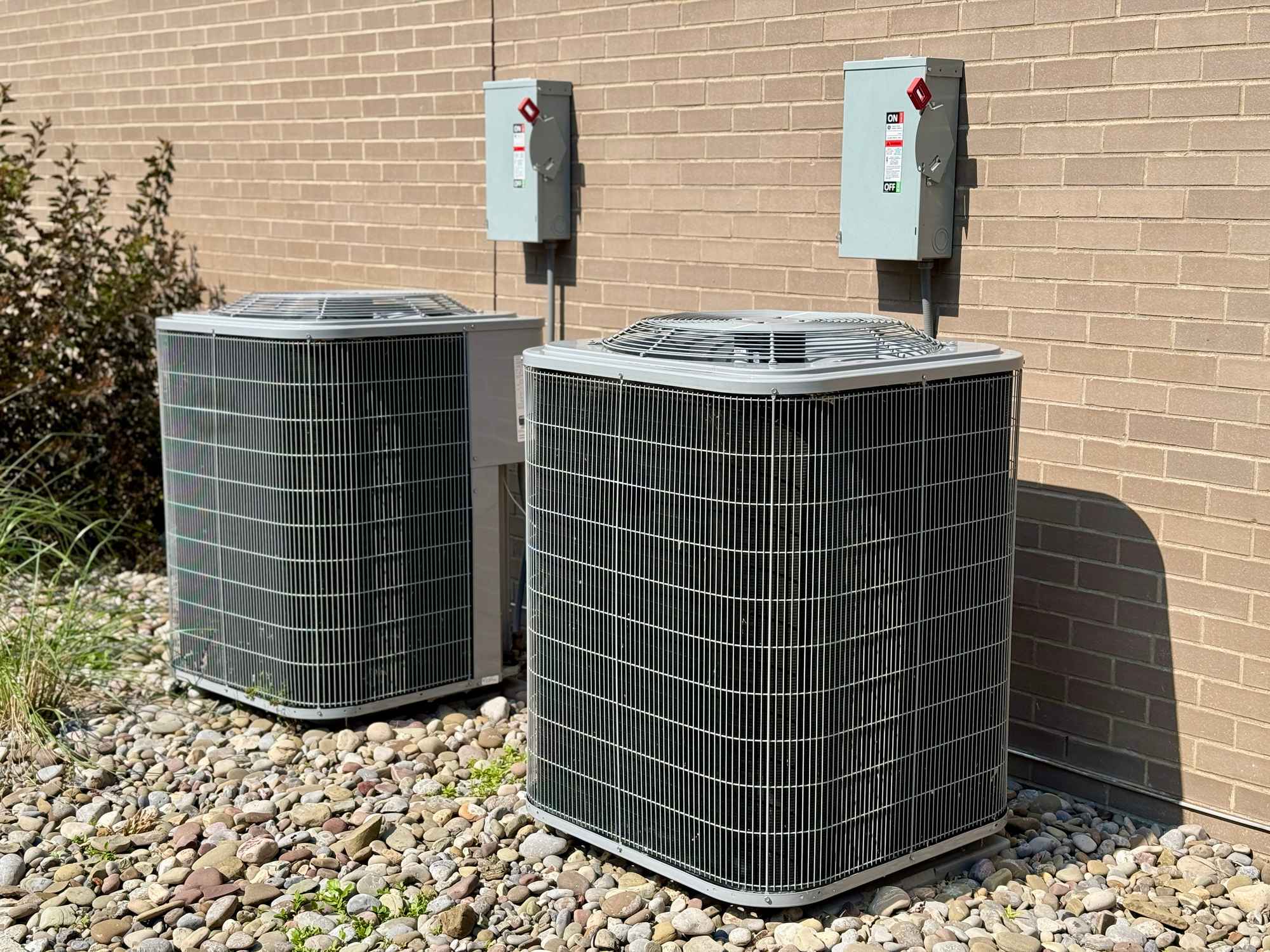
Your outdoor condenser is the heart of your heating system during a winter storm. Despite being built for the elements, a Texas Blue Norther brings high winds and ice that can interfere with its operation.
Clearing Debris and Ice Barriers
Before the wind picks up, take a walk around your outdoor unit.
- Remove Leaves and Limbs: High winds from the north will blow autumn leaves and debris directly into your unit’s fins. This restricts airflow and forces the system to run longer.
- Check the Base: Ensure the unit is clear of tall grass or weeds that could trap snow or ice around the bottom of the coil.
Managing the Defrost Cycle
During a Blue Norther, it is common to see steam rising from your outdoor unit or to hear it making a loud “wooshing” sound. This is the defrost cycle. The system is temporarily reversing itself to melt ice off the outdoor coils.
- Is it Normal? Steam is normal. Thick, solid ice that does not melt after 30 minutes is not.
- Do Not Pick at Ice: If you see ice buildup, never try to chip it away with a hammer or screwdriver. You can easily puncture the refrigerant lines.
The Danger of Falling Ice
Many Georgetown homes have rooflines that drain directly onto the AC unit. If a Blue Norther brings freezing rain, large icicles or “ice dams” can form on your gutters. If these fall onto the fan blade while it is spinning, it can destroy the motor instantly. If your unit is under a steep roofline, consider a professional “hail guard” or a specific shelter designed for HVAC protection.
Interior Winterization for Georgetown Homeowners
Prepping the inside of your home is just as important as protecting the equipment outside. A well-insulated home means your heater does not have to work 24/7 to maintain a safe temperature.
Thermostat Management
The worst time to increase your heat is when the temperature is already at its lowest point.
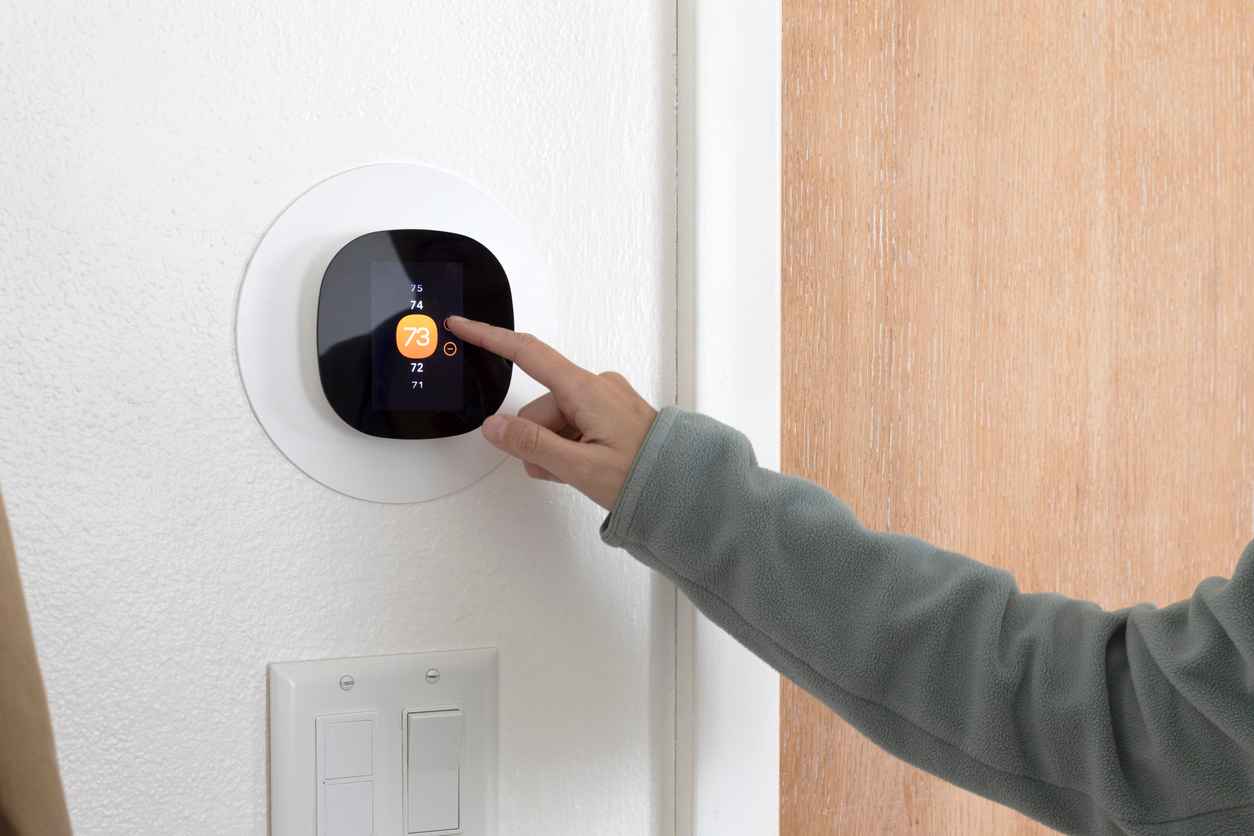
- Pre-Heat Your Home: If you know a Blue Norther is arriving at 4:00 PM, bump your thermostat up two or three degrees at noon. This “charges” your home with heat while the outdoor air is still relatively mild.
- Avoid Extreme Adjustments: Do not crank the thermostat to 80 degrees in hopes of heating the house faster. It will not work faster; it will just cause the system to run on expensive auxiliary heat for hours.
Addressing the Attic Oven Reverse
In the summer, your attic is a heat source. In a Texas winter, it becomes a heat sink.
- Check Insulation Levels: Many historic Georgetown homes have settled insulation. If you can see the wooden floor joists in your attic, you likely need more insulation to prevent heat from rising right out of your house.
- The “Stack Effect”: Warm air rises and escapes through attic leaks, pulling cold air in through your windows and doors. Sealing these leaks is the most effective way to help your HVAC system.
Plumbing and HVAC Synergy
In Texas, we often think of plumbing and HVAC as separate systems, but during a freeze, they are deeply connected. If your heating system fails, your pipes are immediately at risk.
The Drip Method
Moving water is much harder to freeze than standing water. When the temperature stays below freezing for more than a few hours, leave your faucets on a slow drip.
- Relieving Pressure: The drip isn’t just about movement; it relieves the pressure that builds up between an ice blockage and the faucet.
- Cabinet Doors: Open the cabinets under your sinks. This allows the warm air from your heating system to circulate around the pipes.
Insulating Exterior Vents
High-efficiency furnaces have PVC intake and exhaust pipes that stick out of the side of the house. During a Blue Norther, blowing snow or freezing rain can block these pipes. If they are blocked, your furnace will shut down automatically for safety. Ensure these are clear of any obstructions before the storm begins.
When to Call McCullough: Emergency Signs
Sometimes, despite your best efforts, the Blue Norther wins. You should call McCullough Heating & Air Conditioning if you notice the following:
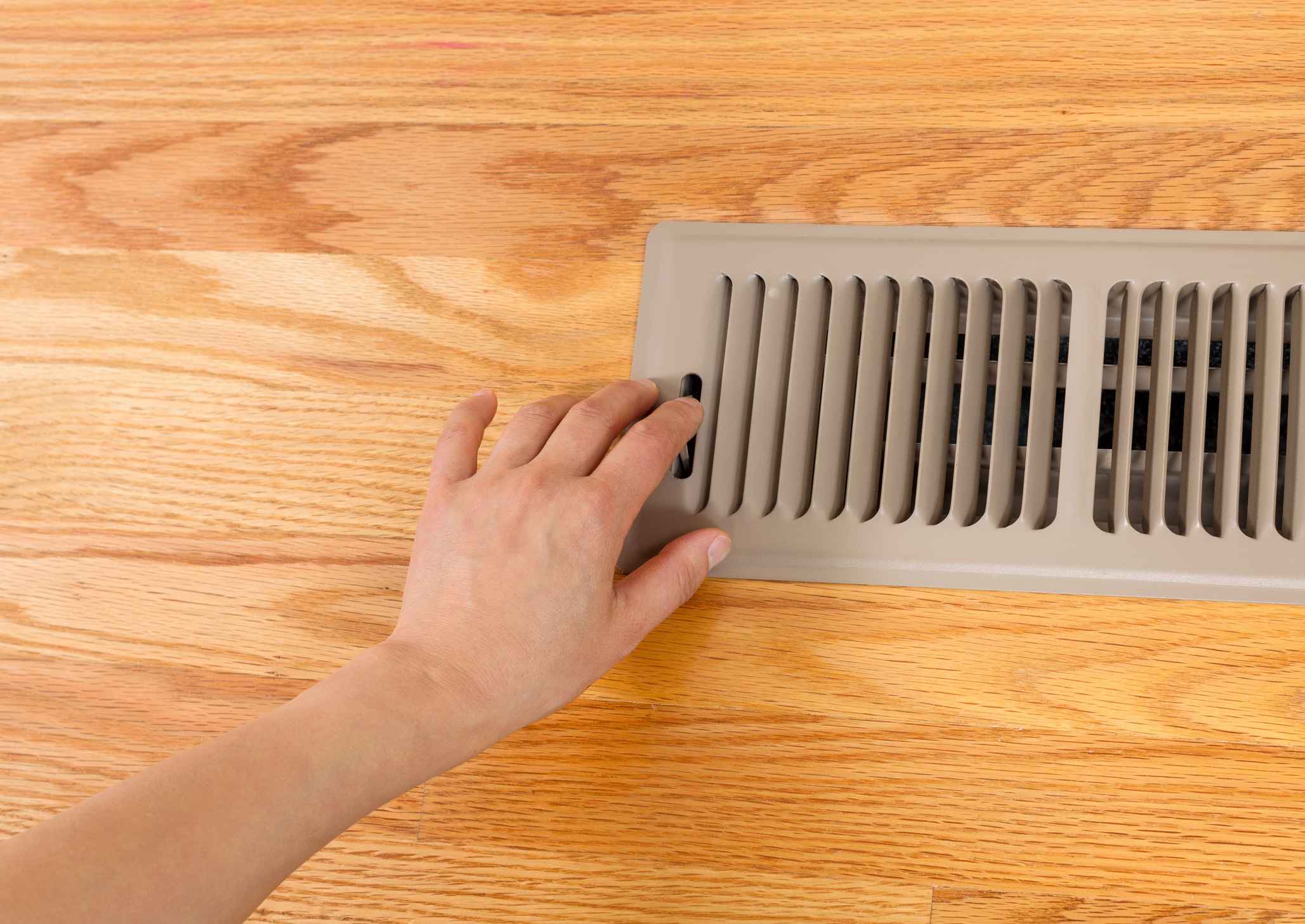
- The “Cold Blow”: Your vents are blowing air that is colder than the room temperature while the system is in heat mode.
- Strange Smells: A persistent smell of burning plastic or ozone is a sign of an electrical issue.
- Frozen Coils: If your indoor or outdoor coils are encased in a thick block of ice, the system needs professional attention.
Staying Ahead of the Storm
A Texas Blue Norther is a reminder of how powerful nature can be, but it doesn’t have to be a disaster for your home. By taking an hour to clear your outdoor unit, managing your thermostat wisely, and ensuring your insulation is up to par, you can ride out the storm in comfort.
Don’t wait for the temperature to drop and the wind to howl.
Contact McCullough Heating & Air Conditioning today to schedule your winter readiness checkup and make sure your Georgetown home is prepared for whatever the Texas sky throws our way.
Recent News
What Sun City Homeowners Should Know About HVAC Permit Data & Installations
Heating and Indoor Air Quality Tips for Sun City Residents This Winter
How Georgetown Homeowners Can Lower Heating Costs This December Without Sacrificing Comfort
Is Your Furnace Ready for the Holidays? Essential December Maintenance Tips for Round Rock Homeowners
How to Improve Indoor Air Quality Before Winter in Georgetown & Round Rock, TX
The Best Time for a Furnace Tune-Up in Georgetown & Round Rock