Up to $2650 in Manufacturer Rebates and Discounts
0% Financing for 72 months-No payments until 2028
Back to Blog
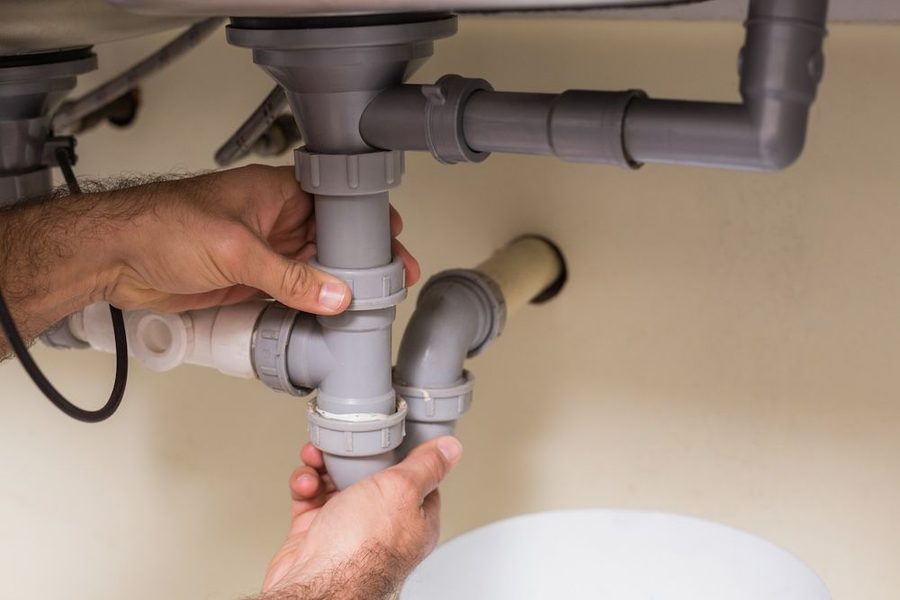
Why Does My Drain Keep Clogging? Common Causes in Austin Homes
A slow drain once in a while is annoying. A drain that keeps clogging every few weeks is usually trying to tell you something. Maybe the kitchen sink takes forever to empty. Maybe you’re standing in ankle-deep water by the end of every shower. Or maybe you’ve gotten pretty good at keeping a plunger nearby because the same toilet seems determined to cause problems.
Recurring clogs are common, but they shouldn’t be considered normal. If you’re constantly reaching for the plunger or drain cleaner, there may be an underlying plumbing problem that needs to be addressed. For Austin homeowners, everything from everyday buildup to aging plumbing can contribute to stubborn drain problems. Here are some of the most common reasons drains keep clogging and when it’s time to call a plumber.
1. Hair and Soap Buildup in Bathroom Drains
Bathroom drains deal with a lot every day. Hair, soap, shampoo, conditioner, shaving products, toothpaste, and other debris can gradually collect inside the pipes.
Hair is especially good at creating clogs because it can become tangled inside the drain and catch other debris passing through. Over time, that small obstruction can turn into a much larger blockage. You might notice:
- A shower or tub that drains slowly
- Water pooling around your feet while showering
- A bathroom sink that takes longer than usual to empty
- Gurgling sounds after water goes down the drain
- A drain that smells unpleasant
A simple drain screen can help catch hair before it enters your plumbing. If the clog keeps coming back despite regular cleaning, however, there may already be significant buildup farther down the drain line.
2. Grease and Food Buildup in the Kitchen
Your kitchen sink may handle plenty of food-related messes, but your drain isn’t a garbage can. Cooking grease, fats, oils, sauces, coffee grounds, food scraps, and other materials can collect inside kitchen drain lines.
One of the biggest offenders is grease. Hot grease may look like a liquid when you pour it down the sink, but it can cool and stick to the inside of the pipe. Other food particles then get trapped in that buildup, gradually reducing the space available for water to flow.
Even homes with garbage disposals need to be careful. A garbage disposal breaks food into smaller pieces; it doesn’t make everything safe for your plumbing. Avoid putting things like grease, cooking oil, coffee grounds, eggshells, fibrous vegetables, and large amounts of food scraps down your kitchen drain.
3. Too Much Toilet Paper or the Wrong Things Down the Toilet
Your toilet is designed to handle human waste and toilet paper. Items marketed as “flushable” can still contribute to plumbing problems because they may not break down as quickly as toilet paper. Common culprits include:
- Wipes
- Paper towels
- Facial tissues
- Feminine hygiene products
- Cotton swabs
- Dental floss
- Diapers
- Cleaning wipes
If your toilet frequently clogs, think about what may be getting flushed. If everyone in the house is following the rules and the problem continues, the clog could be farther down the plumbing system.
4. Hard Water and Mineral Buildup
Central Texas is known for hard water, and Austin-area homeowners can see the effects throughout the house. Hard water contains dissolved minerals that can leave deposits on faucets, showerheads, fixtures, and other plumbing components. Over time, mineral buildup may also restrict water flow in certain plumbing lines and fixtures.
Mineral deposits may not create a dramatic clog overnight, but plumbing issues often develop gradually. If you’re noticing hard-water residue around your home along with recurring plumbing problems, it may be worth having the system evaluated.
5. Something Is Stuck in the Drain
Sometimes the explanation is pretty straightforward: something went down the drain that shouldn’t have. Small toys, jewelry, bottle caps, food scraps, hygiene products, and other household objects can become lodged inside plumbing. This is particularly common in homes with young kids, where toilets and drains occasionally become unintended experiments.
If you suspect an object is stuck inside a drain, repeatedly forcing water through it or pushing tools down the pipe can sometimes make matters worse. A plumber can determine where the obstruction is located and the safest way to remove it.
6. The Problem May Be Deeper Than the Drain
If you clear a clog and it comes right back, the blockage you removed may only have been part of the problem. Debris can accumulate deeper inside a drain line, where plungers and basic household drain tools may not reach it. That means you can temporarily restore water flow without completely removing the obstruction.
Professional drain cleaning in Austin, TX can help identify and address buildup deeper in the plumbing, rather than repeatedly treating symptoms at the fixture.
7. Older Austin Homes Can Have Older Plumbing
Austin has an interesting mix of housing, from older Central Austin bungalows and mid-century homes to newer developments throughout the metro area. If you live in an older home, the age and condition of the plumbing can contribute to recurring drain problems.
Depending on the home and previous renovations, older plumbing may have corrosion, deterioration, buildup, or previous repairs that affect drainage. Remodeling can also leave homes with a combination of older and newer plumbing materials.
A recurring clog doesn’t automatically mean you need major plumbing work. But if you have an older Austin home and multiple drainage issues, it’s worth having a professional look beyond the individual fixture.
Why Does My Drain Keep Clogging After I Clear It?
This is one of the biggest signs that you may be dealing with more than a simple surface clog.
A plunger or basic drain tool might create enough space for water to start flowing again without completely clearing the obstruction. The remaining material continues catching hair, grease, soap, or other debris until the drain slows down again.
Think of it as clearing a small path through the clog instead of removing the entire clog. If you’ve cleared the same drain several times and it keeps slowing down, professional drain cleaning may be a better long-term solution than repeating the same temporary fix.
Should I Use Chemical Drain Cleaner?
It can be tempting to grab a bottle of chemical drain cleaner when the sink stops draining, but it isn’t always the best approach, especially for a recurring problem. Harsh drain-cleaning chemicals may not completely remove the underlying blockage, and repeated use can be tough on certain plumbing materials.
For a minor clog, you can start with safer options such as removing visible debris, cleaning the drain stopper, using a plunger, or using an appropriate drain snake if you know how to do so safely. If the drain continues clogging, it’s best to consult a professional.
When Should You Call an Austin Plumber for a Clogged Drain?
One isolated slow drain doesn’t always require professional service. But you shouldn’t ignore some warning signs. Call a plumber if:
- The same drain keeps clogging
- Several drains are slow at the same time
- You hear frequent gurgling from drains or toilets
- Water backs up into another fixture
- You notice persistent drain odors
- Plunging only fixes the problem temporarily
- You suspect something is stuck inside the plumbing
- You aren’t sure where the blockage is located
Multiple fixtures experiencing problems at once are especially important to pay attention to because the issue may extend beyond a single sink, shower, or toilet.
How to Help Prevent Clogged Drains
You can’t prevent every plumbing problem, but a few everyday habits can make recurring clogs less likely. Use drain screens in showers and tubs to catch hair. Scrape food into the trash or compost before washing dishes. Keep grease and cooking oil out of the kitchen sink. Only flush toilet paper and human waste. And don’t ignore a drain that’s getting progressively slower.
A drain rarely goes from perfectly clear to completely blocked for no reason. Slow drainage is often your early warning.
Tired of Dealing With the Same Clogged Drain?
McCullough Heating, Air Conditioning and Plumbing has been serving Austin-area homeowners since 1977. Our team can help determine what’s causing the problem and recommend the appropriate solution for your home.
Whether you need help with a clogged drain, professional drain cleaning in Austin, TX, or another plumbing issue, contact the Plaid Guys at McCullough Heating, Air Conditioning and Plumbing to schedule service.
Recent News
Worried About Rising Energy Costs? An Austin Home Energy Audit Can Show You Where You’re Wasting Money

Why Austin Heat Pumps Need Maintenance After a Long Cooling Season
Low Water Pressure in Your Austin Home? Here’s What Could Be Causing It
Tank vs. Tankless Water Heaters: Which Is Better for Austin Homes?
3 Ways to Minimize Strain on Your HVAC System

Workshop, Sunroom, & Lake House Cooling: Supplemental Mini Splits for Austin Lifestyles