Up to $2650 in Manufacturer Rebates and Discounts
0% Financing for 72 months-No payments until 2028
Back to Blog
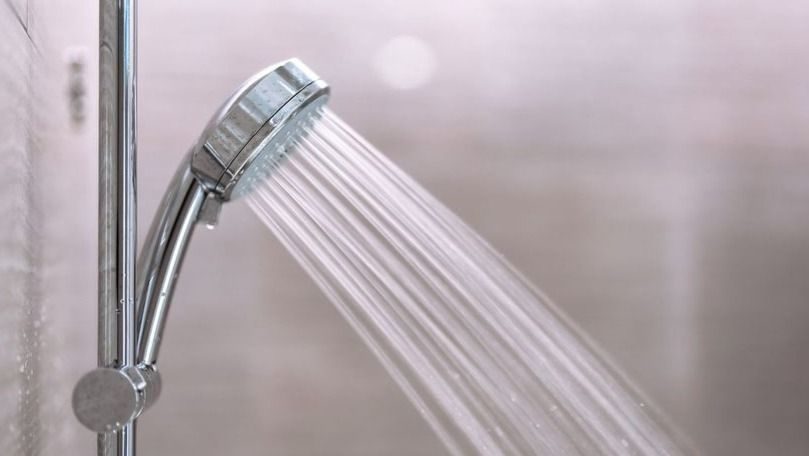
Low Water Pressure in Your Austin Home? Here’s What Could Be Causing It
You turn on the shower and get a disappointing trickle. The kitchen faucet takes forever to fill a pot. Maybe the washing machine seems slower than usual. Low water pressure can go from a minor annoyance to something that makes everyday tasks around the house frustrating.
For Austin homeowners, low water pressure can have several causes. Some are relatively simple fixes, while others can point to a leak, aging plumbing, or another problem that needs professional attention.
If you are experiencing low water pressure in Austin, TX, start by figuring out whether the problem affects one fixture or your entire home.
Is It One Fixture or the Whole House?
Before assuming you have a major plumbing problem, check a few different fixtures. Turn on faucets in the kitchen and bathrooms, test the shower, and check both hot and cold water. If the pressure is weak at only one faucet or showerhead, the issue is probably isolated to that fixture.
If water pressure is low throughout the house, the issue may be larger, either within your plumbing system or with the water supply coming into your home. Here are some common causes.
1. Mineral Buildup in Faucets and Showerheads
Austin is known for hard water, which means minerals can gradually collect inside faucets, aerators, and showerheads.
Over time, that buildup can restrict the amount of water flowing through the fixture. You may notice a faucet that used to have strong pressure gradually becoming weaker. If only one or two fixtures are affected, inspect the aerator or showerhead for visible mineral deposits. Cleaning or replacing the affected component may restore normal flow. If low pressure happens throughout the home, the problem likely goes beyond a clogged fixture.
2. A Hidden Plumbing Leak
Low water pressure can sometimes signal a leak. When water escapes somewhere in your plumbing system, less reaches your faucets and fixtures. Depending on where the leak is located, you might also notice:
-
An unexplained increase in your water bill
-
Damp areas on walls, ceilings, or floors
-
Water stains or discoloration
-
The sound of running water when fixtures are turned off
-
Unusually wet areas around your yard or foundation
-
Your water meter moving when no water is being used
Not every plumbing leak is easy to spot. Pipes can leak behind walls, beneath floors, or underground. If your water pressure suddenly drops without an obvious explanation, scheduling plumbing repair in Austin, TX can help determine whether a hidden leak is responsible.
3. Problems With the Pressure Regulator
Some homes have a pressure regulator that controls the pressure of water entering the plumbing system.
When the regulator begins to fail, water pressure can become too low, too high, or inconsistent throughout the house. You may notice that several fixtures are affected at the same time rather than a single faucet or shower. A plumber can test incoming water pressure and inspect the regulator to determine whether it needs adjustment or replacement.
4. Aging or Corroded Pipes
Older plumbing systems can develop buildup or corrosion inside the pipes. As the usable diameter of a pipe becomes smaller, less water can move through it.
This type of problem usually develops gradually. You might not notice a dramatic change overnight. Instead, showers may feel weaker, faucets may take longer to fill containers, and running multiple fixtures at once may become increasingly difficult.
Austin has homes from many different eras, so the age and material of your plumbing can make a difference. If your home has older pipes and water pressure has been declining over time, a professional plumbing inspection can help identify restrictions within the system.
5. A Partially Closed Main Water Valve
Sometimes the explanation is surprisingly simple. Your home’s main water shutoff valve controls the water entering the property. If it isn’t fully open, it can restrict flow throughout the house.
This can happen after plumbing work, or anytime someone has needed to shut off the home’s water supply.
If your water pressure changed shortly after a repair or other plumbing work, check the main valve. If you are unsure where the valve is located or whether it is operating correctly, a plumber can inspect it safely.
6. Water Heater Problems
If you notice low pressure only when using hot water, the water heater or the plumbing connected to it may be involved. Sediment buildup, aging components, valves, or restrictions in the hot water lines can affect hot water flow.
Compare the hot and cold water pressure at several fixtures. If cold water pressure seems normal but hot water pressure is consistently weak, that gives your plumber an important clue about where to begin troubleshooting.
7. High Water Demand
Sometimes low pressure happens only when several fixtures or appliances are being used at once. For example, you might notice a weaker shower when the dishwasher is running, someone starts the washing machine, and another person turns on a faucet.
A slight change can be normal. A dramatic drop may indicate that your plumbing system is struggling to keep up with demand. A plumber in Austin, TX can evaluate your home’s water pressure, pipe sizing, fixtures, and overall plumbing system to determine whether an underlying restriction exists.
8. An Issue With the Municipal Water Supply
Not every water pressure problem starts inside your house. Maintenance, repairs, water main problems, or other changes affecting the local water system can temporarily affect pressure in a neighborhood.
If your water pressure suddenly drops throughout the home, it can help to check whether nearby neighbors are experiencing the same thing. If they are, the issue may be outside your property. If your neighbors have normal pressure and yours remains low, the problem is more likely somewhere between the water supply and your fixtures.
Why You Shouldn’t Ignore a Sudden Drop in Water Pressure
A little less pressure in the shower may not seem urgent, but a sudden or unexplained change deserves attention. Low water pressure is sometimes the first noticeable symptom of a plumbing leak or another developing problem. Catching the cause early can help prevent water damage and more extensive plumbing repairs later.
Pay particular attention if low pressure appears alongside higher water bills, damp areas, unusual noises, or visible signs of moisture.
Get Help With Low Water Pressure in Austin
Low water pressure does not have one universal solution. The right repair depends on whether the problem is a clogged fixture, a faulty pressure regulator, a hidden leak, an aging pipe, a water heater issue, or something else entirely.
McCullough Heating, Air Conditioning, and Plumbing has been serving Austin-area homeowners for decades. Our plumbers can inspect your plumbing system, identify what’s affecting your water pressure, and recommend the appropriate repair.
If you’re dealing with low water pressure in Austin, TX, don’t settle for weak showers and slow faucets. Contact McCullough Heating, Air Conditioning, and Plumbing to schedule plumbing service and get to the source of the problem.
And for more practical tips for your Austin home, check out our YouTube channel for helpful HVAC and plumbing advice. Call the Plaid Guys at 512-548-8655.
Recent News
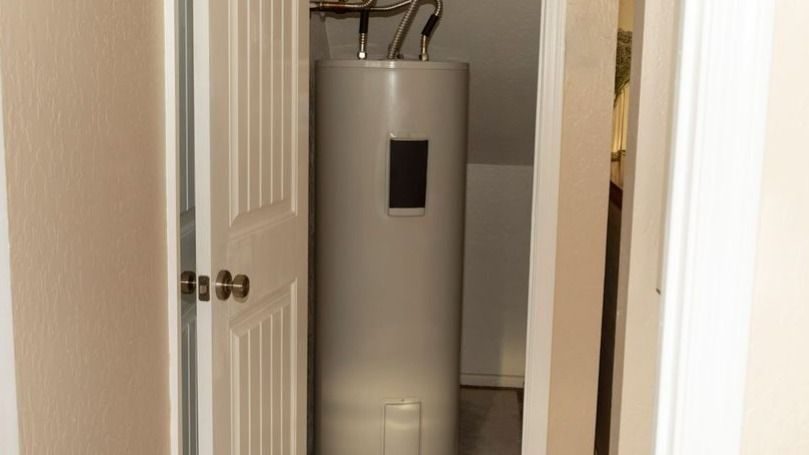
Tank vs. Tankless Water Heaters: Which Is Better for Austin Homes?
3 Ways to Minimize Strain on Your HVAC System
Workshop, Sunroom, & Lake House Cooling: Supplemental Mini Splits for Austin Lifestyles
Why Does My Drain Keep Clogging? Common Causes in Austin Homes
How to Find Reliable AC Repair During an Austin Heat Wave
Why Is There Ice on My AC? | Tips & Tricks with McCullough