Up to $2650 in Manufacturer Rebates and Discounts
0% Financing for 72 months-No payments until 2028
Back to Blog
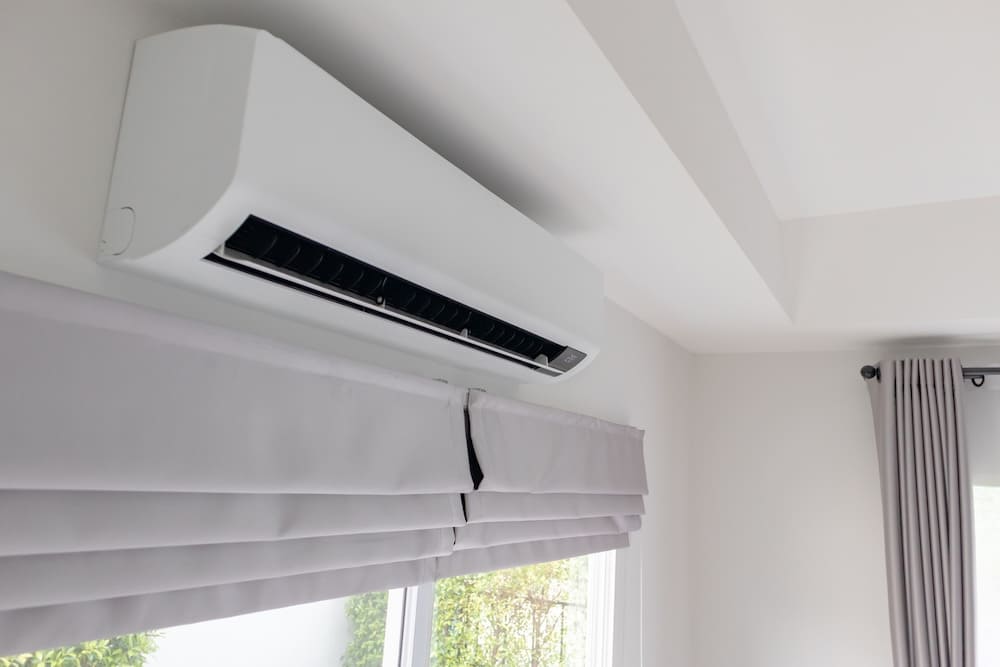
Workshop, Sunroom, & Lake House Cooling: Supplemental Mini Splits for Austin Lifestyles
Austin-area homes are not always limited to the traditional spaces served by central heating and air conditioning. A backyard workshop, sunny enclosed porch, converted garage, guest suite, or lake house can add valuable living and working space, but keeping these areas comfortable during the Texas heat can be challenging. They may lack ductwork, experience greater heat gain, or simply have cooling needs that are very different from the rest of the home.
Supplemental ductless mini-splits offer a flexible way to cool these spaces without necessarily modifying or replacing the home’s central HVAC system. By providing heating and cooling directly where it is needed, a mini-split can give Austin homeowners independent temperature control for workshops, sunrooms, lake houses, additions, and other hard-to-cool areas.
What Is Supplemental Mini-Split Cooling?
Supplemental mini-split cooling uses a ductless HVAC system to condition a specific room, addition, or separate structure. Instead of replacing central air conditioning throughout the house, the mini-split works alongside the existing system to address a particular comfort need.
How Ductless Mini-Splits Work
A ductless mini-split typically consists of an outdoor unit connected to one or more indoor air handlers. Refrigerant lines connect the components, eliminating the need for a traditional network of supply and return ducts in the conditioned space.
The indoor unit delivers conditioned air directly into the room or zone where it is installed.
Supplemental vs. Whole-Home Ductless Cooling
Mini-splits can be used for either targeted or broader home comfort. A supplemental system may condition one workshop or sunroom, while a multi-zone ductless system can serve several rooms.
This flexibility means homeowners with an existing central AC system do not necessarily have to replace it to take advantage of ductless technology.
Why Are Some Austin Spaces So Difficult to Cool?
Rooms and structures outside the home’s original HVAC design can have significantly different cooling requirements.
Intense Sun and Heat Gain
Sunrooms are designed to let in natural light, but large windows can also allow substantial solar heat gain. Workshops, garages, and detached structures may have less insulation than the main home, allowing outdoor heat to affect indoor temperatures more quickly.
Roof exposure, windows, building materials, and orientation can all influence how much cooling a space needs.
Existing HVAC Systems May Not Serve These Areas
A home addition or converted space may have been constructed years after the original HVAC system was installed. Detached workshops and guest structures may have no connection to central ductwork at all.
Simply extending existing ducts is not always the right solution. Central HVAC equipment and duct systems are designed around specific heating and cooling loads, so adding another space without evaluating system capacity can affect performance.
Different Spaces Have Different Comfort Needs
Not every area needs cooling on the same schedule. A workshop may only be occupied on weekends, while a sunroom might need additional cooling during sunny afternoons.
Supplemental mini-splits allow these spaces to have temperature settings that reflect how they are actually used.
Are Mini-Splits Good for Workshops in Austin?
Ductless mini-splits can be a good option for Austin workshops because they provide targeted heating and cooling without requiring traditional ductwork. They can be particularly useful for detached workshops, garage workspaces, studios, and hobby rooms.
Cool the Workshop When You Need It
Independent temperature control allows you to condition a workshop while you are using it without changing the thermostat inside the main house.
Many ductless mini-splits are heat pumps, meaning they can also provide heating during cooler weather. This can make a workshop more usable throughout the year.
Workshop Conditions Matter
A workshop’s cooling needs can differ significantly from those of a bedroom or living room. Factors such as insulation, ceiling height, exterior doors, windows, and heat-producing equipment can influence system sizing.
Dust and airborne debris may also require additional attention to filters and equipment maintenance. A professional HVAC evaluation can account for these conditions before selecting a mini-split.
Can a Mini-Split Keep an Austin Sunroom Cool?
A properly selected ductless mini-split can help cool many Austin sunrooms, particularly when the space is not adequately served by the home’s central HVAC system.
Why Sunrooms Get So Hot
Large areas of glass allow sunlight to enter the room, which can substantially increase heat gain. Depending on the construction, a sunroom may also have different insulation than the rest of the house.
These factors mean square footage alone is not enough to determine how much cooling the room requires.
Independent Temperature Control
A mini-split allows you to control the sunroom separately from the main home. Instead of lowering the central thermostat in an attempt to compensate for one hot space, you can direct cooling specifically to the sunroom.
Proper Sizing Is Critical
Window size, glass type, sun exposure, insulation, ceiling height, and room orientation should all be considered when sizing a mini-split for a sunroom.
Even properly sized HVAC equipment cannot correct every building-envelope issue. Window treatments, air sealing, and insulation improvements may also help reduce heat gain and improve comfort.
Are Mini-Splits a Good Option for Austin-Area Lake Houses?
Mini-splits can offer flexible heating and cooling for lake houses, especially when different areas of the property have different occupancy patterns or comfort needs.
Flexible Cooling for Changing Occupancy
A lake house may be fully occupied one weekend and only partially used the next. Zoned ductless cooling allows different spaces to have independent temperature settings.
Bedrooms, living spaces, guest rooms, and additions can be conditioned based on how the property is being used.
Cooling for Guest and Bonus Spaces
Ductless mini-splits can also be considered for areas such as:
- Guest suites
- Bunk rooms
- Enclosed porches
- Converted garages
- Detached guest spaces
- Home additions
The right setup depends on the property’s layout, insulation, existing HVAC equipment, electrical capacity, and number of desired zones.
What Other Austin Spaces Can Benefit From Supplemental Mini-Splits?
Mini-splits are not limited to workshops, sunrooms, and lake houses. Supplemental ductless cooling can be useful anywhere a space has different comfort requirements from the main home.
Common applications include:
Garage conversions: A converted garage may lack adequate ductwork or insulation for comfortable summer use.
Home offices: Targeted cooling can help keep a frequently occupied office comfortable without adjusting the entire home’s temperature.
Guest suites: Independent controls allow guests to select their preferred temperature.
Finished attics and bonus rooms: Upper-level spaces can experience significant heat gain and may benefit from additional cooling.
Home gyms: Exercise spaces can have different comfort needs from surrounding rooms.
Studios and hobby rooms: A mini-split can provide dedicated comfort for spaces used on an irregular schedule.
What Are the Benefits of Mini-Splits for Supplemental Cooling?
The main advantage of supplemental mini-splits is the ability to solve a specific comfort problem without necessarily redesigning the entire HVAC system.
No Traditional Ductwork Required
Mini-splits can condition additions and detached structures without extending large air ducts into the space. This can make installation practical in areas where adding conventional ductwork would be difficult.
Independent Temperature Control
Each ductless zone can have its own controls. This allows homeowners to adjust a workshop, sunroom, or guest space without changing the central thermostat.
Less Strain on Central HVAC
If one room is consistently hotter than the rest of the house, lowering the central thermostat may cause other rooms to become excessively cold while still failing to solve the original comfort problem.
A supplemental system targets that space directly rather than asking the central HVAC system to compensate.
Energy-Efficient Operation
Many modern mini-splits use inverter-driven technology that adjusts system output according to cooling demand. Because conditioned air is delivered directly into the space, there are also no duct losses associated with that particular zone.
Actual energy consumption depends on equipment efficiency, sizing, installation, insulation, thermostat settings, and usage.
Can You Add a Mini-Split If You Already Have Central AC?
Yes. A ductless mini-split can supplement an existing central air conditioner.
This approach may make sense when:
- One room is consistently too warm
- A home addition was not included in the original HVAC design
- A detached structure needs heating and cooling
- Extending ductwork would be difficult
- A space has a different occupancy schedule from the main house
Before extending existing ductwork or adding supplemental equipment, an HVAC professional should evaluate the home’s current system and the additional cooling load.
How Efficient Are Ductless Mini-Splits in Austin?
Ductless mini-splits can provide efficient supplemental cooling when properly selected and installed.
Many systems use variable-capacity technology, allowing them to adjust operation as cooling demand changes. Zoned control can also allow homeowners to focus conditioning on occupied areas rather than treating every space identically.
However, actual efficiency depends on factors including:
- Equipment sizing
- Efficiency ratings
- Installation quality
- Insulation and air sealing
- Sun exposure
- Temperature settings
- Maintenance
- How frequently the space is used
Choosing an oversized system does not guarantee better cooling or efficiency. Correct sizing is essential for comfort and performance.
How Do You Choose the Right Mini-Split for Your Space?
Choosing a mini-split should begin with evaluating the space rather than selecting equipment based solely on square footage.
A professional HVAC load calculation can consider:
- Room size and ceiling height
- Insulation
- Windows and sun exposure
- Exterior walls
- Building materials
- Heat-producing equipment
- Occupancy
- Desired heating and cooling
- Indoor and outdoor unit placement
These details are especially important for Austin sunrooms, workshops, and other spaces with unusually high heat gain.
Do Supplemental Mini-Splits Require Maintenance?
Yes. Ductless mini-splits require routine maintenance just like other HVAC equipment.
Homeowners should clean or replace accessible filters according to manufacturer recommendations and keep indoor and outdoor units free from obstructions. Condensate drainage also needs to function properly.
Professional mini-split maintenance can include inspecting and cleaning appropriate components, checking system operation, and identifying developing problems.
Are Supplemental Mini-Splits Worth It for Austin Homes?
Supplemental mini-splits can be a practical option for Austin homes with workshops, sunrooms, lake houses, additions, garages, guest suites, and other spaces that are difficult to cool with central HVAC.
They provide independent temperature control, do not require traditional ductwork in the conditioned space, and can work alongside an existing central air conditioning system.
Whether a mini-split is right for your space depends on its construction, heat gain, insulation, layout, occupancy, and comfort requirements. Proper sizing and installation are essential to getting the performance you expect.
Find the Right Supplemental Cooling Solution With McCullough Heating & Air Conditioning
Your workshop, sunroom, lake house, or bonus space should not have to sit unused whenever Austin temperatures rise. Supplemental cooling can help make these spaces more comfortable without unnecessarily changing how you cool the rest of your home.
McCullough Heating & Air Conditioning can evaluate your space, existing HVAC equipment, and cooling needs to determine whether a ductless mini-split is the right solution. From hard-to-cool rooms to detached workshops and guest spaces, we can help design a system around how you actually use your property.
Contact McCullough Heating & Air Conditioning today to learn more about ductless mini-split installation and supplemental cooling solutions for your Austin-area home.
Recent News
Why Is My Austin Energy Bill So High? 7 Problems an Energy Audit Can Uncover
Worried About Rising Energy Costs? An Austin Home Energy Audit Can Show You Where You’re Wasting Money
Why Austin Heat Pumps Need Maintenance After a Long Cooling Season

Low Water Pressure in Your Austin Home? Here’s What Could Be Causing It
Tank vs. Tankless Water Heaters: Which Is Better for Austin Homes?
3 Ways to Minimize Strain on Your HVAC System