Up to $2650 in Manufacturer Rebates and Discounts
0% Financing for 72 months-No payments until 2028
Back to Blog
Why Austin Heat Pumps Need Maintenance After a Long Cooling Season
Austin heat pumps work hard during the long cooling season, often spending months keeping homes comfortable through hot Texas weather. When temperatures finally begin to drop, the same equipment may soon switch roles and start providing heat.
That transition makes fall a useful time for heat pump maintenance. After an extended cooling season, professional service can evaluate airflow, drainage, electrical components, and overall operation before regular heating begins. Because a heat pump provides both cooling and heating, maintaining it after summer can help prepare the entire system for the months ahead.
Why Should You Service a Heat Pump After Summer?
Fall is a useful time to service an Austin heat pump because the system has just completed a demanding cooling season and will soon be responsible for heating the home. Maintenance can help identify airflow, electrical, drainage, or equipment problems before heating demand increases.
Unlike homes that use separate air conditioners and furnaces, heat pump systems rely on many of the same components throughout the year.
Maintenance cannot guarantee that your heat pump will never experience a breakdown, but it provides an opportunity to identify developing problems and confirm that the equipment can transition properly into heating mode.
How Does Austin’s Long Cooling Season Affect a Heat Pump?
Extended periods of hot weather can result in substantial heat pump runtime while the system operates in cooling mode.
During that time, the outdoor equipment remains exposed to dust, grass, vegetation, and weather. Filters may collect airborne particles, condensate systems handle moisture removed from indoor air, and electrical and mechanical components accumulate operating hours.
None of this automatically means your heat pump has been damaged by summer. However, it makes the end of cooling season a logical time to check its condition.
1. Check the Air Filter and Airflow
Good airflow matters whether your heat pump is cooling or heating.
A dirty filter can restrict airflow and interfere with system performance. How frequently your filter needs to be replaced depends on the filter type, manufacturer recommendations, household conditions, system use, and factors such as pets.
Check the filter regularly rather than relying on a universal replacement schedule.
You can also walk through your home and make sure supply and return vents are not blocked by furniture, rugs, curtains, or other belongings. If certain rooms have noticeably weak airflow, mention it during your HVAC service appointment.
2. Give the Outdoor Heat Pump Some Attention
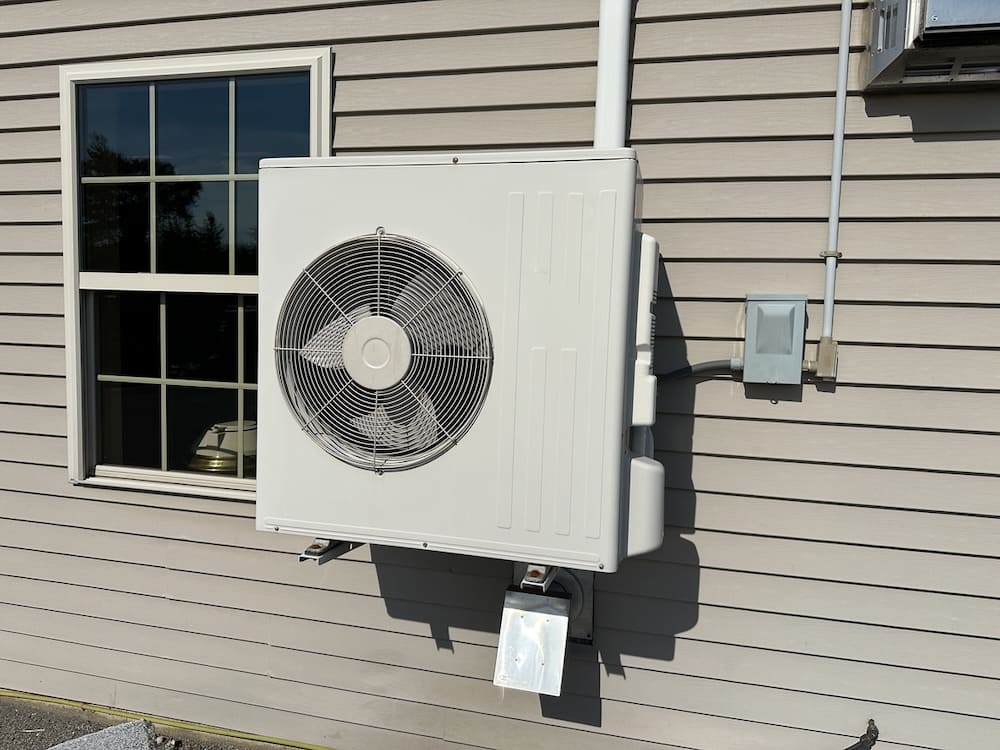
Your outdoor heat pump does not become irrelevant when cooling season ends. Unlike an AC-only outdoor unit, a heat pump also operates outside while heating your home.
Homeowners can safely check the surrounding area for leaves, grass, weeds, and other accessible debris. Maintain the clearance recommended by the equipment manufacturer so airflow is not obstructed.
During professional maintenance, a technician can evaluate components such as the outdoor coil, fan, electrical parts, and overall system operation as appropriate.
Avoid covering your heat pump for winter if the cover would prevent equipment that needs to run from operating properly.
3. Check the Condensate Drain After Summer
While cooling your Austin home, your heat pump also removes moisture from indoor air. That moisture must drain away through the condensate system.
A drainage problem can lead to water around indoor HVAC equipment, an overflowing drain pan, or system shutdowns when applicable safety devices are triggered.
Fall maintenance provides an opportunity to inspect the condensate drainage system after months of cooling operation and address buildup or drainage problems when necessary.
4. Evaluate the Indoor Coil and Blower
Your heat pump’s indoor components remain important as the system transitions from cooling to heating.
The indoor coil participates in heat transfer, while the blower moves conditioned air through your ductwork and into the home.
Dirt, airflow restrictions, or blower problems can affect comfort and system operation. A professional can inspect these components and determine whether cleaning, adjustment, or repair is necessary.
5. Inspect Electrical Components
Heat pumps rely on numerous electrical components and controls. Depending on the system, these may include motors, capacitors, contactors, wiring connections, control boards, and other parts.
After a long cooling season, professional maintenance can check applicable electrical components for signs of deterioration, overheating, or abnormal operation.
Electrical repairs inside HVAC equipment should be left to qualified professionals. Homeowners should not open electrical compartments or attempt to adjust energized components.
6. Test the Heat Before You Really Need It
Do not wait until Austin experiences a cold night to find out that your heat pump will not switch into heating mode.
On an appropriately cool day, change the thermostat to heat and raise the setting enough to call for heating. Confirm that the system starts and air reaches your vents.
Pay attention to:
- Unusual noises
- Weak airflow
- Unexpected shutdowns
- Difficulty reaching the thermostat setting
- Failure to switch into heating mode
If something seems wrong, you will have an opportunity to schedule heat pump repair before colder weather arrives.
What Should Heat Pump Air Feel Like in Heating Mode?
Homeowners accustomed to furnaces sometimes think their heat pump is malfunctioning because the air coming from the vents does not feel extremely hot.
Heat pumps can deliver air that feels less intensely hot than air from some furnaces while still heating the home normally.
Rather than judging performance only by putting your hand near a vent, watch whether the system can maintain the thermostat setting and keep the home comfortable.
If it runs continuously without maintaining temperature, produces weak airflow, or behaves differently than usual, professional evaluation may be appropriate.
7. Make Sure the System Can Switch Between Heating and Cooling
A heat pump provides both heating and cooling by changing how refrigerant moves through the system. An important component called the reversing valve helps make this change possible.
If the heat pump cannot switch correctly between modes, you may experience poor heating, poor cooling, or operation in the wrong mode.
Problems involving the reversing valve or refrigerant system require professional diagnosis rather than DIY adjustment.
8. Know What to Expect From the Defrost Cycle
During heating operation, frost can sometimes develop on the outdoor coil under certain cool, humid conditions. Heat pumps are designed to enter a defrost cycle when necessary to remove that frost.
During defrost, you may notice temporary operating changes or even see steam near the outdoor unit. That can be normal.
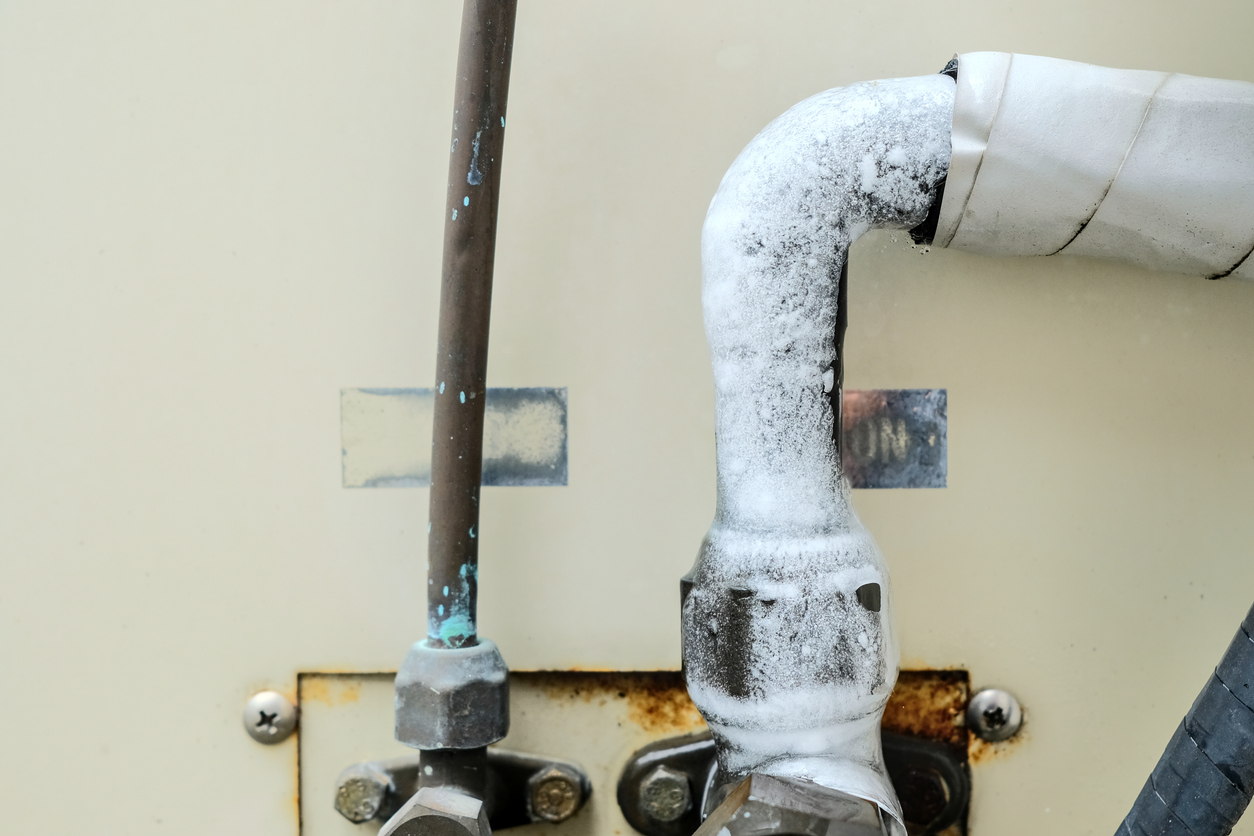
A heat pump covered in heavy ice that does not clear is different. Persistent icing can indicate an airflow, control, refrigerant-system, sensor, or equipment problem that needs diagnosis.
9. Review Your Thermostat Settings
As Austin weather changes, review your thermostat schedule and settings.
Make sure the thermostat can successfully command heating mode and replace batteries if your model uses them. If your HVAC equipment or thermostat was recently replaced, proper compatibility and configuration are also important.
Avoid making extreme thermostat changes in an attempt to heat the house faster. Instead, choose a comfortable setting and allow the system to operate normally.
When Does a Heat Pump Need More Than Maintenance?
Routine maintenance and HVAC repair are not the same thing.
Have your system professionally evaluated if you notice:
- Persistent outdoor-unit icing
- Frequent cycling
- Unusual grinding, buzzing, or rattling
- Weak airflow
- Water around indoor equipment
- Unexpected shutdowns
- Inability to maintain temperature
- Failure to switch between heating and cooling
A tune-up can identify problems, but a failed or damaged component may require repair.
Prepare Your Austin Heat Pump With McCullough
After working through Austin’s long cooling season, your heat pump may soon be responsible for keeping your home warm. Checking airflow, drainage, outdoor equipment, electrical components, thermostat operation, and heating performance can help prepare the system for that transition.
Contact McCullough Heating, Air Conditioning & Plumbing to schedule heat pump maintenance in Austin. Our HVAC professionals can evaluate your system after cooling season and help get your heating equipment ready for cooler Texas weather.
Recent News
Low Water Pressure in Your Austin Home? Here’s What Could Be Causing It
Tank vs. Tankless Water Heaters: Which Is Better for Austin Homes?
3 Ways to Minimize Strain on Your HVAC System
Workshop, Sunroom, & Lake House Cooling: Supplemental Mini Splits for Austin Lifestyles
Why Does My Drain Keep Clogging? Common Causes in Austin Homes
How to Find Reliable AC Repair During an Austin Heat Wave