Up to $2650 in Manufacturer Rebates and Discounts
0% Financing for 72 months-No payments until 2028
Back to Blog
How To Control Humidity In Your Central TX Home
If your home feels sticky, muggy, or uncomfortable even when the AC is running, excess humidity could be the problem. In Central Texas, high humidity is common during the warmer months, especially after heavy spring storms, on humid mornings near Lake Travis, or during long stretches of summer heat in Austin, Round Rock, and Westlake, TX. Too much indoor moisture can make your home feel hotter, strain your HVAC system, and even contribute to mold growth and poor indoor air quality.
The good news is that there are several simple ways to keep humidity under control and improve comfort throughout your home. At McCullough Heating, Air Conditioning & Plumbing, we help homeowners throughout Austin and Central Texas maintain healthier, more energy-efficient indoor environments year-round.
Why Humidity Matters in Central Texas
Many Central Texas homeowners assume the heat is the only thing making their home uncomfortable during summer. However, humidity often plays a major role. After rainy days or periods of high moisture, homes in areas like Austin, Westlake, Cedar Park, Georgetown, and Round Rock can quickly start to feel damp and stuffy indoors.
When humidity levels are too high, you may notice:
- Sticky or clammy air
- Musty odors
- Condensation on windows
- Increased allergy symptoms
- Mold or mildew growth
- Warped wood floors or furniture
- Higher energy bills
Ideally, indoor humidity should stay between 30% and 50%. Once humidity climbs above that range, your air conditioner has to work harder to keep your home comfortable, something many homeowners notice during those long Austin summers with temperatures in the upper 90s.
Schedule Regular HVAC Maintenance
One of the best ways to control humidity is by keeping your HVAC system running efficiently. Your air conditioner naturally removes moisture from the air as it cools your home, but if the system is dirty, neglected, or improperly maintained, it may struggle to keep up during humid Central Texas weather.
This is especially important in older homes around Central Austin or Westlake, where aging HVAC systems may already be under additional strain during peak cooling season.
During a professional maintenance visit, technicians inspect and clean important components like:
- Evaporator coils
- Condensate drain lines
- Refrigerant levels
- Blower components
- Thermostat settings
Routine maintenance helps your system remove moisture properly while improving overall efficiency and reliability during the hottest months of the year.
If it’s been a while since your last tune-up, scheduling seasonal AC maintenance before summer arrives can help prepare your system for the heat and humidity common across Central Texas.
Change Your Air Filters Regularly
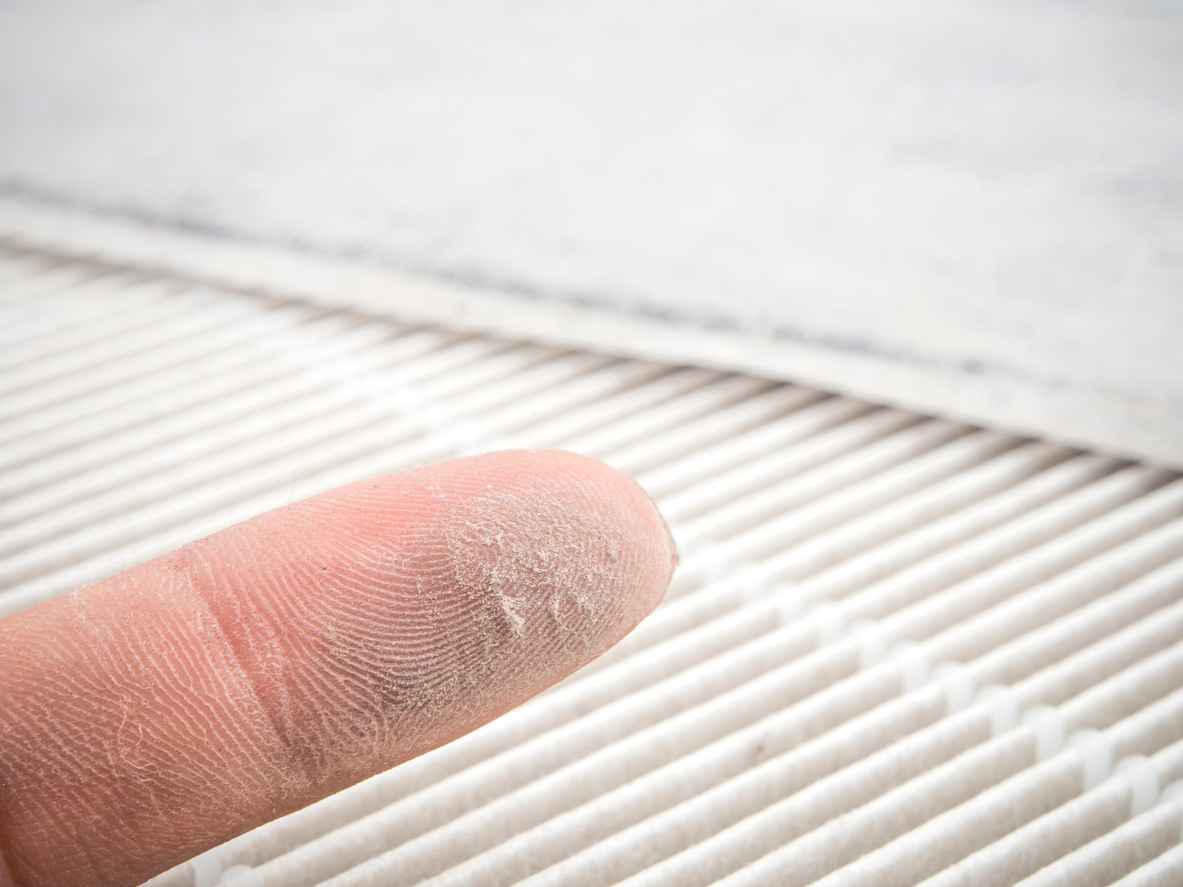
Central Texas is no stranger to dust, cedar pollen, and seasonal allergens. A dirty air filter not only affects indoor air quality but also restricts airflow, making it harder for your HVAC system to remove humidity effectively.
Homeowners in areas with active construction or high pollen counts, like Round Rock and North Austin, may need to replace filters more frequently than expected.
Replacing your air filter regularly helps:
- Improve airflow
- Enhance indoor air quality
- Support proper humidity control
- Reduce strain on your HVAC system
- Lower energy costs
Most homeowners should check their filters monthly and replace them every 1–3 months, depending on pets, allergies, and system usage.
Consider Installing a Whole-Home Dehumidifier
If your home constantly feels damp even while the AC is running, a whole-home dehumidifier may be the solution.
Homes near greenbelt areas, lakes, or shaded neighborhoods in Westlake and Lakeway often experience higher indoor humidity levels because of surrounding moisture and limited direct sunlight.
Unlike portable units that only treat one room, a whole-home dehumidifier works directly with your HVAC system to remove excess moisture throughout the house.
Benefits include:
- Better indoor comfort
- Reduced mold and mildew risk
- Improved air quality
- Less strain on your AC system
- More consistent humidity levels
A professionally installed dehumidifier can make a major difference during humid Central Texas summers, especially during rainy stretches or periods of high overnight humidity.
Use Exhaust Fans in Kitchens and Bathrooms
Cooking, showering, and bathing create a surprising amount of indoor moisture. Without proper ventilation, humidity becomes trapped inside your home.
In many Central Texas homes, especially newer energy-efficient homes built tightly for insulation purposes, moisture can build up faster than homeowners realize.
Using exhaust fans helps remove humidity directly from the source.
For best results:
- Turn on bathroom fans during showers and leave them running for 15–20 minutes afterward
- Use kitchen exhaust fans while cooking, especially when boiling water or cooking large meals
- Make sure vents are properly connected and vented outside the home
This is especially helpful during humid summer mornings in Austin when outdoor moisture levels are already elevated.
Use Ceiling Fans To Improve Air Circulation
Ceiling fans don’t remove humidity from the air, but they help improve airflow and make your home feel cooler and more comfortable.
Many Central Texas homeowners use ceiling fans to reduce how often the AC cycles during peak summer heat. Better circulation helps prevent stagnant, humid air from settling in bedrooms, upstairs areas, and rooms with limited airflow.
Fans can also help you feel comfortable at slightly higher thermostat settings, which may lower cooling costs during those long triple-digit heat waves common in July and August.
Be sure your ceiling fans rotate counterclockwise during warmer months to push cool air downward.
Avoid Drying Clothes Indoors
Air-drying clothes inside your home can add a surprising amount of moisture to the air. Wet laundry releases humidity as it dries, making indoor conditions feel even more uncomfortable.
This becomes even more noticeable during humid Central Texas weather, especially after rainy periods when moisture levels are already high.
Whenever possible:
- Use a properly vented clothes dryer
- Dry clothes outdoors when the weather permits
- Avoid hanging large amounts of wet laundry indoors
Reducing indoor moisture sources can help your HVAC system maintain healthier humidity levels more efficiently.
Watch for Signs of HVAC Problems
Sometimes excess humidity is a sign your air conditioner isn’t functioning properly. An oversized AC system, low refrigerant, clogged drain lines, or airflow problems can all interfere with moisture removal.
Common signs include:
- Your home feels humid despite cooling
- The AC runs constantly
- Uneven temperatures between rooms
- Water leaks around the system
- Musty odors from vents
Many homeowners in Austin and surrounding areas don’t realize their AC system may be oversized for their home, causing it to cool too quickly without properly removing humidity.
Addressing these issues early can help prevent larger HVAC repairs and improve comfort throughout your home.
Stay Comfortable With Help From McCullough Heating, Air Conditioning & Plumbing
Controlling humidity is essential for comfort, indoor air quality, and HVAC efficiency in Central Texas homes. Whether you live in Austin, Westlake, Round Rock, Cedar Park, Georgetown, or the surrounding communities, McCullough Heating, Air Conditioning & Plumbing can help you create a cooler, drier, and healthier home environment.
From seasonal AC maintenance to whole-home dehumidifier installation and indoor air quality solutions, our experienced team is here to help Central Texas homeowners stay comfortable year-round.
Book an appointment online or call us at 512-798-0839 to stay comfortable this season.
For more tips and tricks, check out our YouTube channel.
Recent News
Workshop, Sunroom, & Lake House Cooling: Supplemental Mini Splits for Austin Lifestyles
Why Does My Drain Keep Clogging? Common Causes in Austin Homes
How to Find Reliable AC Repair During an Austin Heat Wave
Why Is There Ice on My AC? | Tips & Tricks with McCullough

7 Signs You May Have a Hidden Plumbing Leak in Your Austin Home
Why Some Austin Homes Struggle to Stay Cool During Texas Heat Waves