Up to $2650 in Manufacturer Rebates and Discounts
0% Financing for 72 months-No payments until 2028
Back to Blog
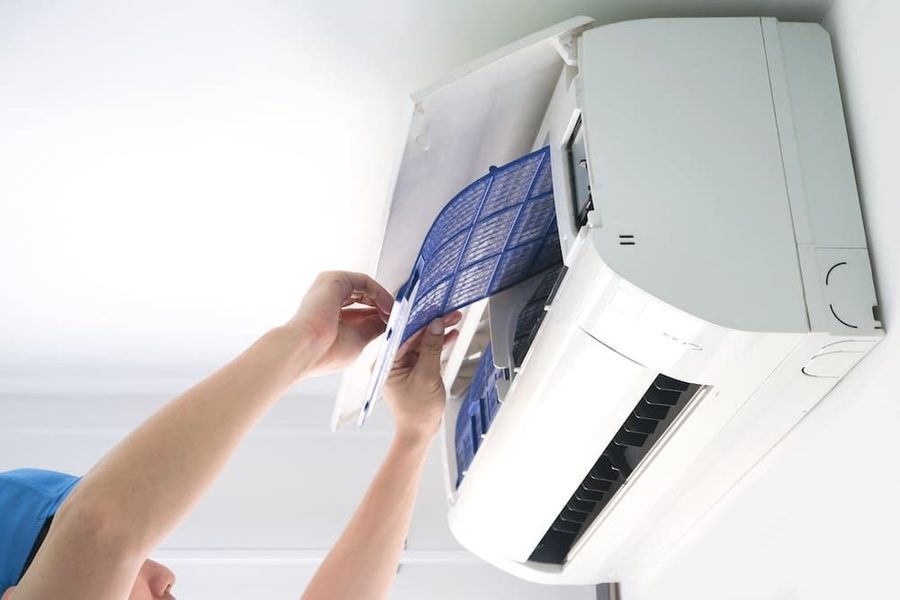
Zoned Out: Solving the ‘Hot Upstairs’ Problem in Large Westlake Estates
Living in the scenic hills of Westlake, Texas, means enjoying pristine architecture, beautiful expansive properties, and a magnificent Texas landscape. The grand estates winding through communities like Vaquero feature soaring ceilings, wide floor plans, and beautiful multi-story glass exposures. However, managing indoor comfort across a massive luxury home presents a unique set of engineering challenges, especially when the intense Texas summer heat wave hits its stride.
If you own a large multi-story property in the Westlake region, you are likely familiar with a frustrating home climate dilemma: the hot upstairs problem. You set your central thermostat downstairs to a cool temperature, and your main floor feels perfectly comfortable. Yet, the moment you walk up the grand staircase, you hit an oppressive wall of heat. Bedrooms on the second floor remain stubbornly warm and stuffy, forcing your family to abandon certain rooms during the day or engage in continuous thermostat wars in the hallway.
At McCullough Heating, Air Conditioning & Plumbing, we know that uneven home cooling is not something you have to tolerate as a standard aspect of multi-story living. This guide will explore the underlying physics of why the second floor of a large Westlake estate traps heat so aggressively and detail the modern zoning solutions that provide a permanent fix.
The Physics of Vertical Heat: Why the Second Floor Suffers
To understand why a large estate develops hot zones upstairs, you must examine the laws of thermodynamics. Your home comfort system is locked in a continuous battle against a variety of environmental forces.
The Immutable Law of Thermal Stratification
The most basic reason your second story stays hot is a natural physical reality: hot air rises while cold air sinks. In scientific terms, this is known as thermal stratification.
Warm air is less dense than cold air, causing it to float naturally toward the highest architectural points of your home. In a luxury estate featuring open two-story entryways or vaulted great rooms, the second floor acts like a giant physical catchment basin, trapping all the rising heat generated by daily household activities, cooking appliances, and electronic entertainment systems.
Solar Radiation and Attic Heat Conduction
The roof of a large Westlake estate absorbs a massive amount of radiant energy from the intense Texas sun. On a typical 95-degree afternoon, your concrete or clay roof tiles can heat up past 140 degrees, transferring that immense thermal mass directly into your attic space.
Even with modern insulation barriers, this intense attic heat conducts downward through your second-story ceiling drywall. Furthermore, upstairs bedrooms are exposed to higher solar heat gain because they catch direct sunlight without any protective shade cover from ground-level trees or surrounding landscaping.
Why Standard HVAC Systems Fail to Balance Large Estates
Many homeowners assume that if an upstairs bedroom is hot, it means their primary air conditioner compressor is broken or needs a component replacement. However, if your downstairs rooms are perfectly crisp, the issue is typically a systemic distribution flaw.
The Single-Thermostat Blind Spot
Older custom estates were frequently built with a single, high-capacity cooling system controlled by a solitary thermostat located in a shaded, central downstairs hallway. This configuration creates a massive communication breakdown.
The downstairs thermostat reads that the main living area has reached a comfortable 72 degrees and shuts the entire system down. Meanwhile, the system has no idea that the upstairs master suite has climbed to a sweltering 79 degrees. The cooling cycle ends long before the upper rooms have had an opportunity to shed their thermal load.
The Inflexibility of Single-Stage Equipment
Traditional single-stage air conditioners operate like a basic light switch. They are either 100 percent on or completely off, blasting your home with cold air at full capacity.
Because they cycle on and off rapidly, they satisfy the downstairs thermostat quickly and shut down. This short operational window doesn’t allow the blower motor enough continuous time to push air completely to the furthest supply registers on the second floor, leaving the upper levels permanently starved of cool air.
What Actually Fixes It: Modern HVAC Zoning Systems
To achieve absolute, uniform comfort across a large estate, you must transition from a single-lung system to a personalized, multi-zone configuration. At McCullough Heating, Air Conditioning & Plumbing, we specialize in implementing advanced zoning technologies that manage home comfort dynamically.
How HVAC Zoning Controls the Flow
An HVAC zoning system allows you to divide your large home into separate, independently controlled thermal zones based on usage patterns and architectural layouts.
-
Dedicated Electronic Thermostats: Every zone, such as the downstairs main living room, the upstairs guest wing, and the master suite, receives its own dedicated smart thermostat.
-
Motorized Duct Dampers: We install a series of motorized, automated dampers inside your central sheet-metal trunk lines. These dampers act like traffic cops for your air supply.
-
Dynamic Airflow Redirection: When the upstairs zone demands cooling but the downstairs is already comfortable, the zoning panel closes the downstairs dampers and redirects 100 percent of the system’s cooling capacity straight to the second-floor registers, solving the heat problem instantly without over-cooling your main living spaces.
Pairing Zoning with Variable-Speed Inverter Technology
Traditional single-stage systems cannot handle standard zoning modifications effectively because closing off air ducts creates dangerous backpressure that can freeze your indoor coils. True luxury comfort requires pairing motorized dampers with a modern variable-speed compressor powered by advanced inverter technology.
Variable-speed systems can scale their operational output down to an exact fraction of their maximum capacity, ranging anywhere from 20 to 100 percent. When only one small bedroom zone requires cooling, the inverter system dials down its electrical consumption and blower speed to match that exact load, delivering a whisper-quiet, continuous trickle of perfectly balanced air that eliminates hot spots with absolute precision.
The Ductless Mini-Split Solution for High-Load Rooms
For certain unique architectural spaces, such as an upstairs media room packed with heat-generating electronics, a home gym, or a bonus room sitting directly above a three-car garage, integrating an auxiliary ductless mini-split system is the ultimate solution.
Ductless mini-splits feature an independent outdoor condenser paired with a sleek, low-profile indoor wall unit or a recessed ceiling cassette. By handling the extreme thermal loads of a specific hot room completely independently of your main central system, a mini-split allows you to keep your specialty rooms crisp and cold without forcing your entire household network to overwork.
Claim Complete Comfort Across Your Whole Home
A premium custom estate should deliver reliable, uniform luxury comfort to every single square foot of your living space. Allowing the hot upstairs problem to compromise your home lifestyle, dictate your sleeping arrangements, or drive up your monthly energy utility statements is an unnecessary stress that can be permanently resolved with intelligent engineering.
Stop avoiding the upper levels of your house this summer. Contact McCullough Heating, Air Conditioning & Plumbing today to schedule a multi-story cooling and zoning evaluation with our residential specialists. Let our experienced local team deliver the reliable, high-performance comfort solutions your Westlake family deserves.
Recent News
Workshop, Sunroom, & Lake House Cooling: Supplemental Mini Splits for Austin Lifestyles
Why Does My Drain Keep Clogging? Common Causes in Austin Homes
How to Find Reliable AC Repair During an Austin Heat Wave
Why Is There Ice on My AC? | Tips & Tricks with McCullough

7 Signs You May Have a Hidden Plumbing Leak in Your Austin Home
Why Some Austin Homes Struggle to Stay Cool During Texas Heat Waves