Up to $2650 in Manufacturer Rebates and Discounts
0% Financing for 72 months-No payments until 2028
Back to Blog
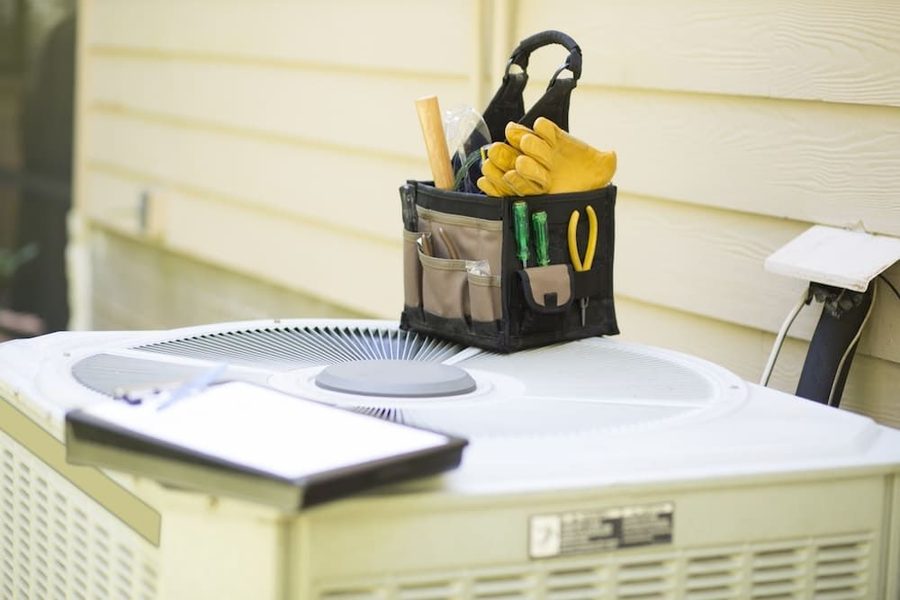
Signs Your Austin HVAC System May Be Undersized for Your Home
Summer in Central Texas is incredibly demanding on home utilities. When the legendary Austin heat waves roll in, outdoor temperatures regularly spike past one hundred degrees for weeks at a time. To keep your family safe and comfortable, your central air conditioner has to work long hours under intense pressure. But if your home always feels a little too warm, or your indoor thermostat refuses to drop during the hottest parts of the afternoon, you might be dealing with a hidden installation flaw: an undersized HVAC system.
An undersized air conditioner simply lacks the physical heating and cooling capacity required to manage your home’s square footage. Many homeowners assume that a warm house means their unit is old, broken, or needs a basic refrigerant recharge. While standard wear and tear can certainly slow a system down, an air conditioner that was never large enough from day one will permanently struggle against the Texas sun. McCullough Heating & Air Conditioning has been serving families across Austin, Round Rock, and Pflugerville since 1977. This guide breaks down the clear warning signs that your cooling system is too small for your house and how to fix the issue for good.
The Core Problem: Why AC Unit Size Matters Natively
In the cooling world, size doesn’t refer to the physical dimensions of the outdoor metal box. Instead, it refers to the system’s cooling capacity, which is measured in tons or British Thermal Units (BTUs). A certified professional must calculate your home’s unique layout to match it with the perfect equipment capacity.
Clear Warning Signs That Your System Is Undersized
When a cooling asset is structurally too small to handle your property volume, it will exhibit a few distinct behavioral patterns during warm weather:
-
The System Runs Continuously Without Stopping: A properly sized air conditioner should run a cycle, cool the home down to your target temperature, and shut off for a bit. If your unit runs non-stop for 24 hours straight without ever taking a break, it is actively struggling to keep up.
-
The Thermostat Settings Are Never Met: If you set your indoor temperature to seventy-two degrees but the actual room temperature stays stuck at seventy-eight all afternoon, your cooling coils cannot remove heat fast enough.
-
Massive Sky-High Austin Energy Bills: Because an undersized motor never takes a break, it siphons a continuous stream of electricity from your power grid, causing your summer utility bills to skyrocket out of control.
-
Severe Temperature Imbalances Between Rooms: If your downstairs living room feels cool but your upstairs bedrooms or back hallways feel like a literal sauna, your system lacks the airflow velocity needed to push conditioned air to the furthest corners of the ductwork.
The Side Effects: How a Small System Destroys Itself
Operating an undersized air conditioner under extreme weather conditions introduces heavy mechanical strain across your entire electrical and mechanical grid. Trying to force a small system to do a giant job will quickly lead to permanent hardware failures.
Frequent Repair Needs and Component Slip Risks
Understanding the mechanical toll of an overtaxed unit helps you notice hidden system wear before a complete electrical burnout occurs:
-
Blown Dual Run Capacitor Elements: Running a fan motor non-stop generates high operational heat, causing the electrical capacitors inside your outdoor service cabinet to pop and fail under the constant load.
-
Frozen Indoor Evaporator Coil Matrices: When an undersized system runs continuously, the indoor cooling coils never get a chance to rest or shed moisture. This constant cooling eventually causes the condensation to freeze solid, blocking all indoor airflow.
-
Premature Compressor Failure: The compressor acts as the heart of your air conditioning system. Forcing a compressor to run without cycling breaks down internal lubrication shields, leading to a locked rotor and an expensive breakdown.
-
Accelerated System Lifespan Drops: A standard, well-sized air conditioner should operate reliably for roughly fifteen years. An undersized unit that is constantly pushed past its factory design limits will often fail completely within seven to ten years.
The Science of Sizing: Moving Past Simple Square Footage
Many out-of-date builders or cut-rate contractors use a basic rule of thumb to choose an air conditioner size, simply multiplying the home’s square footage by a generic number. This sloppy approach is exactly how homes end up with undersized or oversized equipment that fails prematurely.
Why a Professional Manual J Load Calculation Is Critical
Licensed master technicians rely on advanced building science formulas to determine the exact cooling tonnage your unique property asset requires to stay comfortable:
-
Evaluating Your Home Insulation Levels: The thickness and material composition of your attic insulation and wall cavities dictate how much heat enters your home, directly altering your cooling needs.
-
Auditing Window Placement and Sun Exposure: Large, west-facing window glass allows massive amounts of radiant solar energy into your living spaces, requiring extra cooling power to neutralize the heat.
-
Counting Household Occupants and Appliances: Every human body and electronic device inside your home generates natural ambient heat, an internal thermal footprint that must be factored into your total sizing calculation.
-
Accounting for Ceiling Heights and Architectural Volume: A room with vaulted, two-story ceilings contains twice as much air volume as a standard room, demanding a more robust air distribution network to maintain comfort.
Securing Real Comfort and Efficiency for Your Home
Investing in a home air conditioner is a major commitment, and ensuring that equipment matches the physical scale of your property is the only way to protect your long-term comfort and financial stability. Continuing to run an undersized system through intense Central Texas summers is a costly mistake that guarantees sky-high utility bills, ongoing emergency repair invoices, and an uncomfortable home environment for your family. By bringing in a certified professional to run a proper building safety and load calculation, you take the guesswork out of property management. Upgrading to a properly sized, high-efficiency cooling network permanently lowers your monthly energy expenses, eliminates summer breakdown anxiety, and ensures your home stays a cool, refreshing sanctuary no matter how high the thermometer climbs.
Get Absolute Clarity with McCullough Heating & Air Conditioning
You shouldn’t have to suffer through hot afternoons inside your own home because of an incorrectly sized air conditioner. The friendly, local team at McCullough Heating & Air Conditioning has been delivering honest advice and master-level trade precision to Austin homeowners since 1977. We specialize in comprehensive energy audits, advanced Manual J load calculations, and installing high-efficiency variable-speed cooling networks that are perfectly tuned to survive the Central Texas climate.
Contact us today to schedule your home comfort assessment and protect your peace of mind!
Recent News
Tank vs. Tankless Water Heaters: Which Is Better for Austin Homes?
3 Ways to Minimize Strain on Your HVAC System
Workshop, Sunroom, & Lake House Cooling: Supplemental Mini Splits for Austin Lifestyles
Why Does My Drain Keep Clogging? Common Causes in Austin Homes
How to Find Reliable AC Repair During an Austin Heat Wave
Why Is There Ice on My AC? | Tips & Tricks with McCullough