Up to $2650 in Manufacturer Rebates and Discounts
0% Financing for 72 months-No payments until 2028
Back to Blog
Why Some Austin Homes Struggle to Stay Cool During Texas Heat Waves
Summer in Central Texas is unforgiving. When the July and August heat waves roll across Austin, daily temperatures routinely climb past 100°F, often stretching into weeks of relentless, triple-digit heat.
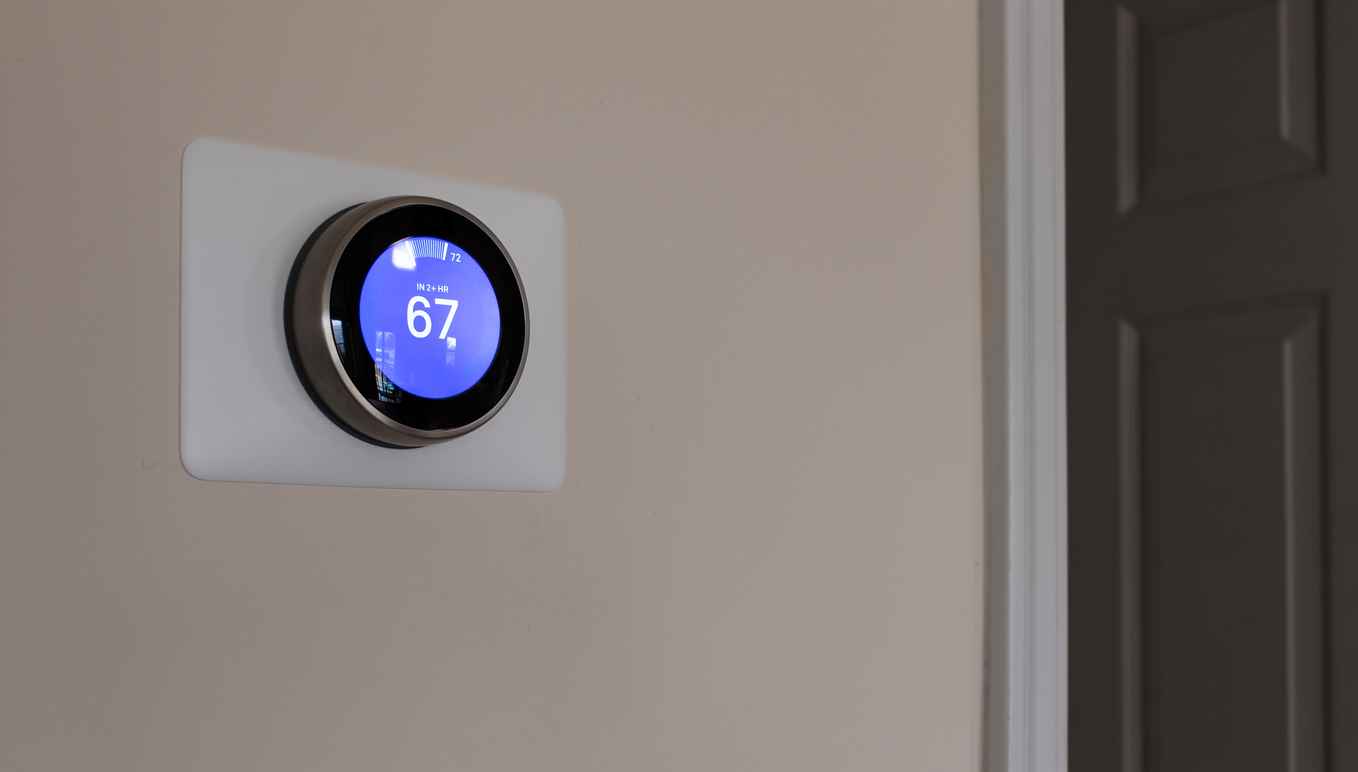
During these extreme weather spikes, many Austin homeowners notice a frustrating pattern: the air conditioner runs continuously all afternoon, yet the indoor thermostat creeps up to 78°F, 80°F, or higher. The house feels warm, air coming out of supply vents feels lukewarm, and electric bills shoot up.
It is easy to assume that a warm house automatically means a broken air conditioner. However, an AC unit is only one part of a complex “building envelope” system. McCullough Heating, Air Conditioning & Plumbing has been keeping homes comfortable across Austin, Round Rock, Cedar Park, and Georgetown since 1977. This guide breaks down why some Austin homes struggle during extreme heat waves and how targeted home performance solutions restore crisp indoor comfort.
The “20-Degree Rule” and Design Temperature Limits
To understand why your system struggles when it hits 105°F outside, it helps to understand how residential HVAC systems are engineered.
Standard residential air conditioners are engineered to achieve a maximum temperature differential (known as a delta T) of approximately 20°F to 22°F between outdoor ambient air and indoor living spaces.
- Normal Conditions: On a typical 95°F summer afternoon, a properly operating AC easily maintains a crisp 72°F to 74°F indoors.
- Extreme Heat Waves: When outdoor temperatures reach 105°F or higher, combined with intense Texas solar radiation, a system operating strictly at factory standards will physically struggle to cool the interior below 80°F unless the home’s thermal shell is exceptionally tight.
If your home loses conditioned air faster than the AC can produce it, the thermostat will inevitably lose ground during peak afternoon heat.
4 Reasons Your Austin Home Is Losing the Battle Against Heat
If your cooling system is running nonstop without keeping your living space cool, one or more of these home performance liabilities is likely at play:
1. Inadequate Attic Insulation (Thermal Transfer)
Attics in Central Texas routinely reach 140°F to 150°F during a summer heat wave. If your home has aging, settled, or compressed attic insulation (R-19 or lower), that intense attic heat radiates straight down through your drywall ceilings into your bedrooms and living spaces.
Upgrading attic insulation to modern R-38 or R-60 standards creates a heavy thermal barrier that stops ceiling heat transfer in its tracks.
2. Leaky Attic Ductwork (Conditioned Air Loss)
In most Austin homes, flex ductwork is routed directly through the superheated attic space. If your duct system has unsealed joints, loose collar connections, or outer insulation tears:
- Conditioned Air Leaks: Your AC pushes cold air directly into the 140°F attic before it ever reaches your vents.
- Hot Air Return: The return duct pulls hot, dirty attic air directly into your HVAC stream, overwhelming your system’s cooling capacity.
3. Air Infiltration and Unsealed Exterior Penetrations
Old recessed ceiling lights, unsealed plumbing stack cutouts, drafty window frames, and exterior door weatherstripping allow hot, humid Texas air to infiltrate your living space continuously. A home with heavy air leakage acts like a bucket with tiny holes, no matter how fast your AC pumps cold air in, thermal energy leaks right back inside.
4. Direct Solar Heat Gain Through Windows
Single-pane glass or standard double-pane windows without Low-E coatings allow massive amounts of radiant solar energy to penetrate west- and south-facing rooms. Unfiltered sunlight heats interior furniture, flooring, and air, creating localized “hot spots” that force your thermostat to read higher overall room temperatures.
Is It Your Home Performance or an AC Mechanical Issue?
Before investing in major upgrades, it is vital to distinguish between building envelope failures and mechanical equipment faults. Recognizing how different symptoms present helps you pinpoint whether your home is losing conditioned air or your cooling unit itself is malfunctioning:
- Weak Airflow from Vents Across All Rooms: If you can barely feel air coming out of your supply grilles, the bottleneck is typically caused by a clogged air filter, a frozen evaporator coil, or crushed flex ductwork in the attic.
- The AC Runs Nonstop; Vents Blow Cold, but the House Stays Warm: When your supply registers spit out icy air but the thermostat continues to climb past 78°F, your cooling unit is working, but your home has severe performance liabilities. Poor attic insulation, unsealed duct leaks, or unchecked solar heat gain are allowing thermal energy to enter faster than your AC can remove it.
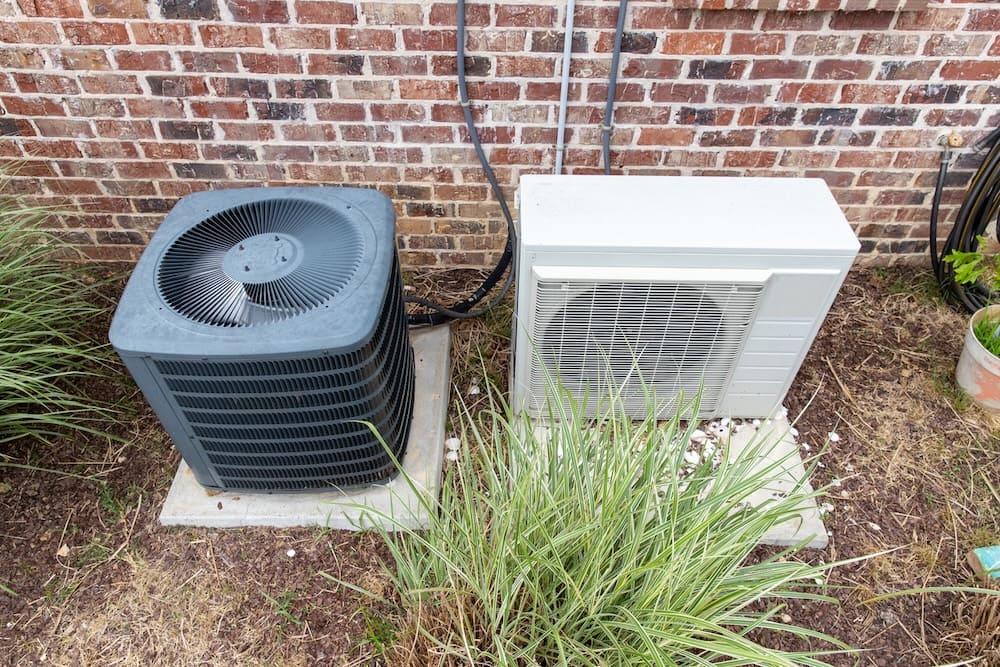
- The Outdoor Unit Runs, but Air from Vents Is Lukewarm: If the system is blowing warm or room-temperature air into your living space, the issue is strictly mechanical. This usually points to a failed outdoor compressor, a blown run capacitor, or a refrigerant leak within your coils.
- One Specific Room Is Always 5 to 10 Degrees Hotter: When temperature fluctuations are isolated to a single bedroom or upstairs space, the system is struggling with airflow balancing, uninsulated attic knee walls, or improperly sized branch ductwork leading to that specific room.
Action Steps to beat the Central Texas Heat
Restoring true cooling performance to an Austin home requires a balanced approach that combines equipment care with home energy efficiency.
- Schedule a Professional Home Energy Audit: Using thermal imaging cameras and blower door testing, certified specialists pinpoint exact areas where hot attic air is infiltrating your home.
- Seal and Insulate Attic Ductwork: Sealing duct connections with mastic sealant and upgrading duct insulation stops cooling loss before air reaches your vents.
- Upgrade to Variable-Speed Carrier Systems: As a local Carrier Factory Authorized Dealer, McCullough installs modern variable-speed heat pumps and air conditioners that automatically scale power up during triple-digit spikes while running long, energy-efficient cycles to maintain consistent indoor temperatures.
Enjoy Reliable, Whole-Home Comfort All Summer Long
Taking control of your home’s thermal envelope and HVAC infrastructure is the most effective way to eliminate summer heat anxiety, protect your equipment from premature burnouts, and lower monthly utility bills. While replacing an air filter or adding blackout curtains are helpful DIY habits, diagnosing static duct pressure, executing air-sealing protocols, and balancing high-efficiency refrigerant circuits requires specialized equipment and certified trade expertise.
Don’t spend another Texas summer putting up with a hot house and astronomical power bills. Investing in professional home performance diagnostics ensures your living space stays cool, dry, and comfortable through every heat wave.
Contact McCullough Heating, Air Conditioning & Plumbing today to schedule your air conditioning service!
Recent News
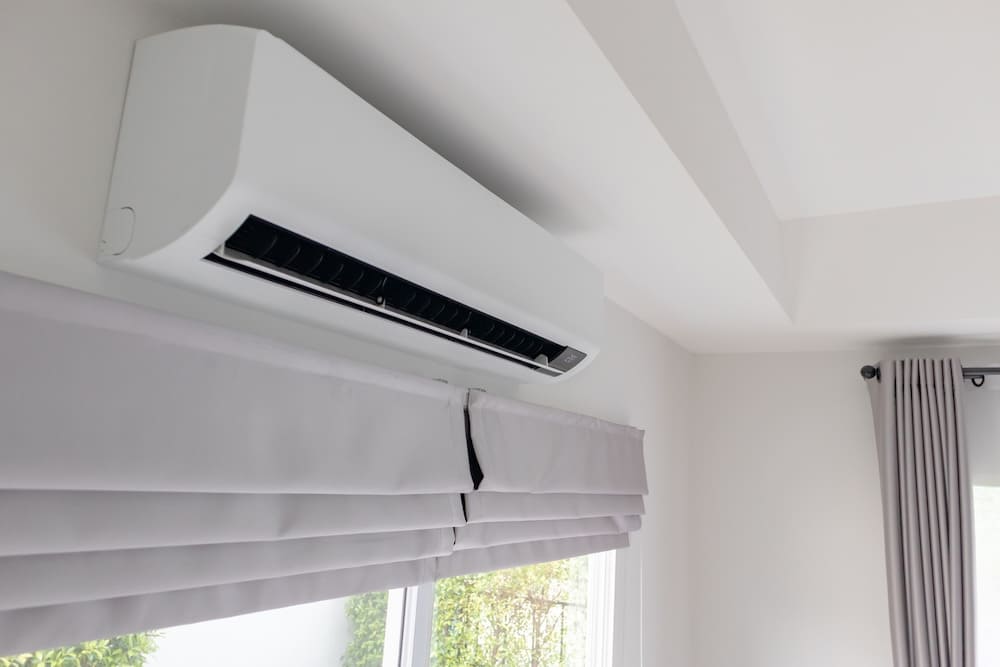
Workshop, Sunroom, & Lake House Cooling: Supplemental Mini Splits for Austin Lifestyles
Why Does My Drain Keep Clogging? Common Causes in Austin Homes
How to Find Reliable AC Repair During an Austin Heat Wave
Why Is There Ice on My AC? | Tips & Tricks with McCullough

7 Signs You May Have a Hidden Plumbing Leak in Your Austin Home

Why Is My Water Bill Suddenly So High? Plumbing Problems Austin Homeowners Should Check