Up to $2650 in Manufacturer Rebates and Discounts
0% Financing for 72 months-No payments until 2028
Back to Blog
Why Is My Water Bill Suddenly So High? Plumbing Problems Austin Homeowners Should Check
You open your latest water bill and immediately do a double-take. You haven’t filled a swimming pool, doubled the number of people living in your house, or suddenly started taking hour-long showers. So why did your water bill jump?
A high water bill in Austin, TX can sometimes be explained by seasonal water use, especially during a hot Central Texas summer. But when your household habits haven’t changed, an unexpectedly expensive bill can also be one of the first signs of a plumbing problem.
Leaks aren’t always dramatic. A dripping fixture, running toilet, damaged irrigation connection, or hidden pipe leak can waste water quietly for weeks before you notice anything inside your home. If your Austin water bill suddenly seems out of line with your normal usage, here are some of the plumbing problems worth checking.
1. A Running Toilet Could Be Wasting More Water Than You Think
A toilet doesn’t have to make a lot of noise to have a problem.
Worn flappers, faulty fill valves, incorrect float settings, and other problems inside the tank can allow water to continuously flow into the bowl. Because the water goes directly down the drain, there may never be a puddle or another obvious sign that something is wrong.
Listen for toilets that seem to refill on their own or continue running long after they’ve been flushed. You can also add a few drops of food coloring to the toilet tank and wait without flushing. If the color appears in the bowl, water is leaking from the tank.
If replacing a simple flapper doesn’t solve the problem, it may be time to have an Austin plumber inspect the toilet.
2. You Could Have a Hidden Plumbing Leak
Some plumbing leaks are easy to find. Others happen behind walls, underneath cabinets, in ceilings, or in areas of the plumbing system you rarely see.
A hidden plumbing leak in your home can continue wasting water while gradually damaging drywall, flooring, cabinetry, insulation, and other materials.
Watch for signs such as:
- Water stains or discoloration on walls and ceilings
- Peeling or bubbling paint
- Musty odors
- Damp cabinets or flooring
- Unexplained sounds of running or dripping water
- Lower-than-normal water pressure
- Warm or damp areas on floors
- Mold or mildew appearing without an obvious source
Your water bill itself may be another warning sign. If usage increases significantly without a reasonable explanation, don’t assume it’s simply an expensive month.
3. A Slab Leak May Be Hiding Under Your Austin Home
Slab leaks deserve particular attention because they can be difficult to spot without professional equipment. Many Austin-area homes are built on slab foundations. When a water line beneath the slab develops a leak, water may escape without creating an immediately visible puddle.
Possible signs include unusually warm areas on the floor, sounds of running water when fixtures aren’t being used, reduced water pressure, unexplained moisture, foundation or flooring changes, and consistently increasing water usage.
A slab leak isn’t something you want to ignore. The longer the leak continues, the more opportunity there is for water damage and costly repairs. If you suspect a leak beneath your home, a professional plumber can help locate the source and determine the appropriate repair.
4. Check Your Faucets and Showerheads
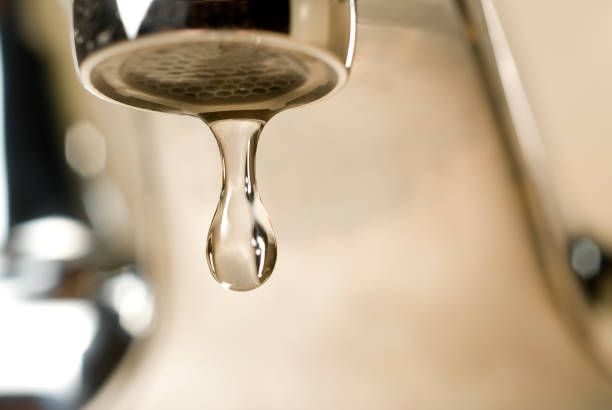
That dripping bathroom faucet you’ve been meaning to fix isn’t just annoying. Even small, persistent drips add to your household water consumption over time. Check faucets in bathrooms, kitchens, utility rooms, garages, and outdoor areas.
Showerheads can also leak because of worn seals, mineral buildup, or problems with the fixture. Austin’s mineral-rich water can contribute to scale buildup on plumbing fixtures over time, so don’t overlook fixtures that are dripping, spraying unevenly, or showing signs of corrosion.
5. Don’t Forget About Outdoor Plumbing
If your water bill jumps during an Austin summer, it’s natural to look at irrigation and lawn watering first. That’s a good place to start, but increased outdoor use isn’t the only possibility.
Inspect hose bibs, outdoor faucets, irrigation connections, exposed pipes, and other outdoor plumbing for leaks.
An irrigation system can also develop underground leaks that aren’t immediately noticeable. Look for unusually wet patches, pooling water, erosion, or areas of landscaping that suddenly look much greener than everything around them. Austin summers can already require more outdoor water use; a leak combined with normal seasonal watering can make the increase on your bill especially noticeable.
6. An Older Water Heater Could Be Leaking
Your water heater should also make the inspection list. Look around the base of a traditional tank-style water heater for moisture, rust, corrosion, or signs that water has been collecting nearby. Also pay attention to connections and valves around the unit.
A small amount of moisture may not seem urgent, but water heaters can develop more significant problems as they age.
If you notice water around the unit or aren’t sure where it’s coming from, have it professionally inspected rather than waiting for the leak to get worse.
7. Aging Pipes and Connections Can Develop Leaks
Austin has an enormous variety of housing, from older Central Austin properties to homes built during decades of rapid expansion throughout the metro. That means plumbing systems can vary considerably from one house to another.
As plumbing ages, pipes, fittings, seals, valves, and connections can deteriorate. Previous repairs or renovations can also create weak points within a plumbing system.
Recurring leaks, corrosion, changing water pressure, or unexplained increases in water consumption may indicate that the issue goes beyond a single fixture. A professional plumbing inspection can help determine whether you’re dealing with an isolated repair or a larger issue within your home’s plumbing system.
How Can I Tell If I Have a Water Leak?
There’s a simple test Austin homeowners can perform before calling a plumber. Turn off faucets, showers, washing machines, dishwashers, irrigation systems, and anything else using water. Make sure nobody uses water during the test.
Then check your water meter. If the meter continues registering water use when everything is turned off, you may have a leak somewhere in the system.
This won’t necessarily tell you where the leak is located, but it can help confirm that unexplained water usage deserves further investigation.
When Should You Call a Plumber About a High Water Bill?
One unusually high bill doesn’t automatically mean you have a major plumbing failure. Compare your current water usage with previous billing periods and think about anything that recently changed.
Did you water the lawn more often? Have guests stayed with you? Did you fill a pool? Has your household’s daily routine changed?
If there’s no obvious explanation, or you’ve noticed moisture, running water, pressure changes, staining, or other plumbing symptoms, it’s worth investigating.
Finding a plumbing leak sooner can help prevent wasted water from turning into water damage and a much larger repair.
High Water Bill in Austin, TX? McCullough Can Help Find the Problem
McCullough Heating, Air Conditioning, and Plumbing has been helping Austin-area homeowners take care of their homes for decades. Now, in addition to our trusted heating and cooling services, we’re here to help with your home’s plumbing needs, too.
If your water bill suddenly increased and you can’t figure out why, don’t wait for a hidden plumbing problem to reveal itself the expensive way. Our team can inspect your plumbing, identify potential leaks or failing components, and recommend the right solution for your home.
Whether you need help tracking down a plumbing leak in Austin, TX, repairing a fixture, or diagnosing a more complicated plumbing problem, turn to a local plumber in Austin, TX who already understands the homes we’ve served for years.
Schedule your professional plumbing inspection with McCullough today online or by calling 512-280-0011.
Recent News
Workshop, Sunroom, & Lake House Cooling: Supplemental Mini Splits for Austin Lifestyles
Why Does My Drain Keep Clogging? Common Causes in Austin Homes
How to Find Reliable AC Repair During an Austin Heat Wave
Why Is There Ice on My AC? | Tips & Tricks with McCullough

7 Signs You May Have a Hidden Plumbing Leak in Your Austin Home
Why Some Austin Homes Struggle to Stay Cool During Texas Heat Waves